
Threads of Memory: The Enduring Language of Andean Textiles
In the Andes, fabric is never just fabric. It carries memory. It holds geography. It tells you where someone comes from before they ever say a word. What might look like simple stripes to an outsider are anything but decorative. They are intentional markers of belonging, stitched with meaning, history, and boundaries that have been passed down for generations.
The Vibrancy of Tradition: Colors Drawn from the Earth
Walk into a weaving community near Cusco or high above the Sacred Valley and color hits first. Deep reds made from cochineal insects crushed by hand. Blues drawn from indigo plants that echo the sky overhead. Yellows pulled from native flowers. Greens that seem to mirror the hills themselves. Women work on backstrap looms anchored to trees or posts, leaning their bodies back to create tension, their movement inseparable from the tool. The loom doesn’t just sit in the landscape; it relies on it. The act of weaving becomes physical proof of a relationship between body, land, and tradition.
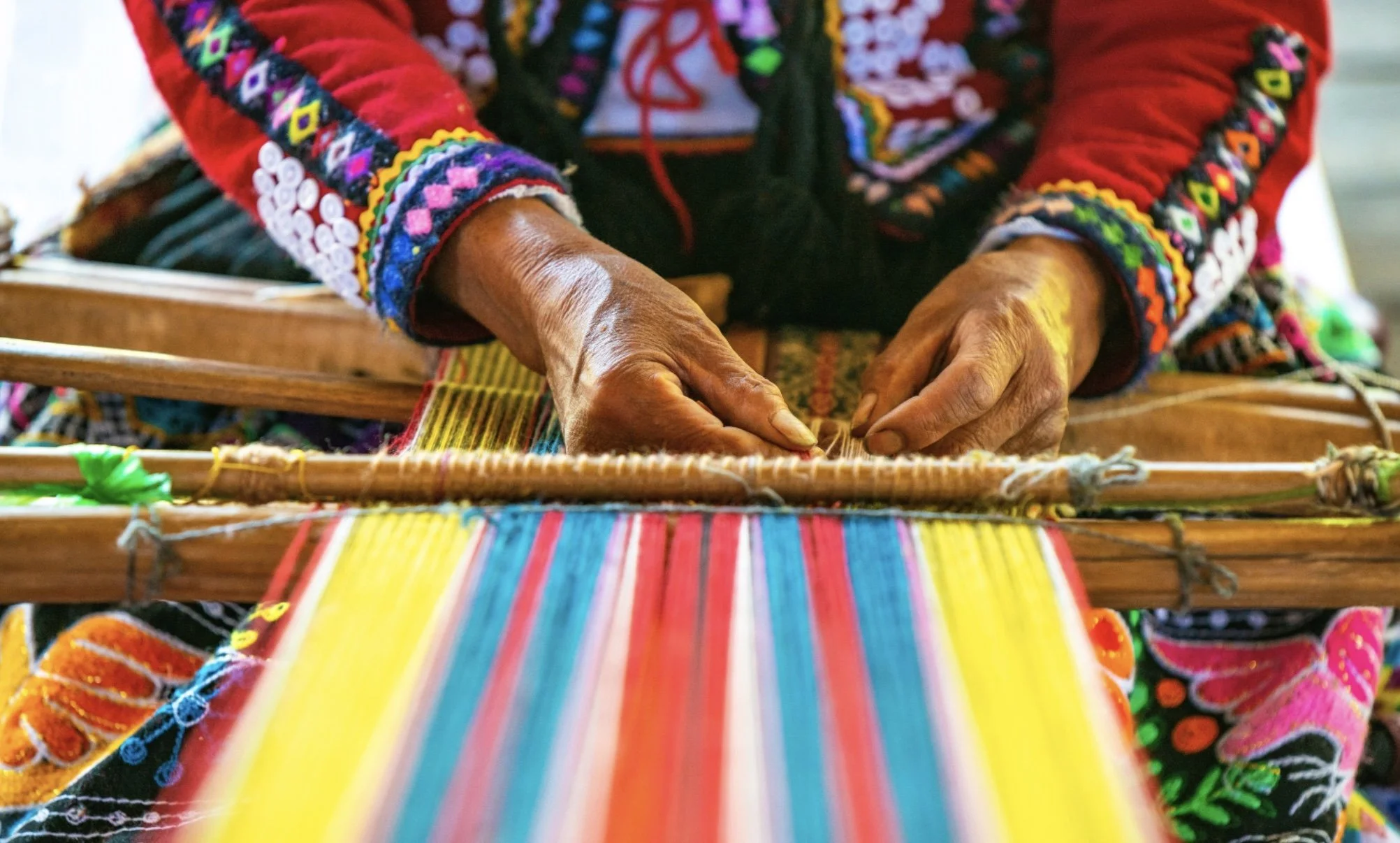
Image credit: timetraveltourtle.com
This connection is not new. Anthropologist Jeffrey Splitstoser’s research on 6,200-year-old textiles from Huaca Prieta shows that Andean communities were using indigo blue far earlier than previously believed. Long before similar techniques appeared elsewhere, weavers in the region were extracting dye from native Indigofera plants and using complex vat-dyeing methods to create rich purplish blues on cotton yarns. These fabrics weren’t accidental. They were the result of experimentation, technical knowledge, and patience.
What’s striking is how little of this history announces itself loudly. The innovation is quiet, embedded in everyday objects worn close to the body. A woven sash. A patterned textile. A piece of cloth that survives centuries because it mattered enough to be made carefully. In the Andes, textiles don’t just decorate life. They record it, carrying evidence of skill, environment, and identity in every thread.
A Visual Lexicon: Motifs as Maps and Memories
In Andean textiles, patterns aren’t chosen for how they look. They’re chosen for what they say. Each motif has a name, a reference point, a story that ties the wearer to a place or a past. A winding line can mark a river that separates communities. A jagged shape might trace the outline of a mountain believed to protect an ancestral home. Small clustered forms often represent the herds that sustain daily life. Even the spacing and rhythm of stripes matter, signaling whether a textile is meant for everyday use or ceremonial moments.
A manta draped over someone’s shoulders does more than keep out the cold. It can quietly communicate where they are from, whether they are married, or which cooperative they belong to as they move through a crowded plaza. These textiles function like a language spoken without words, instantly legible to those who know how to read it.
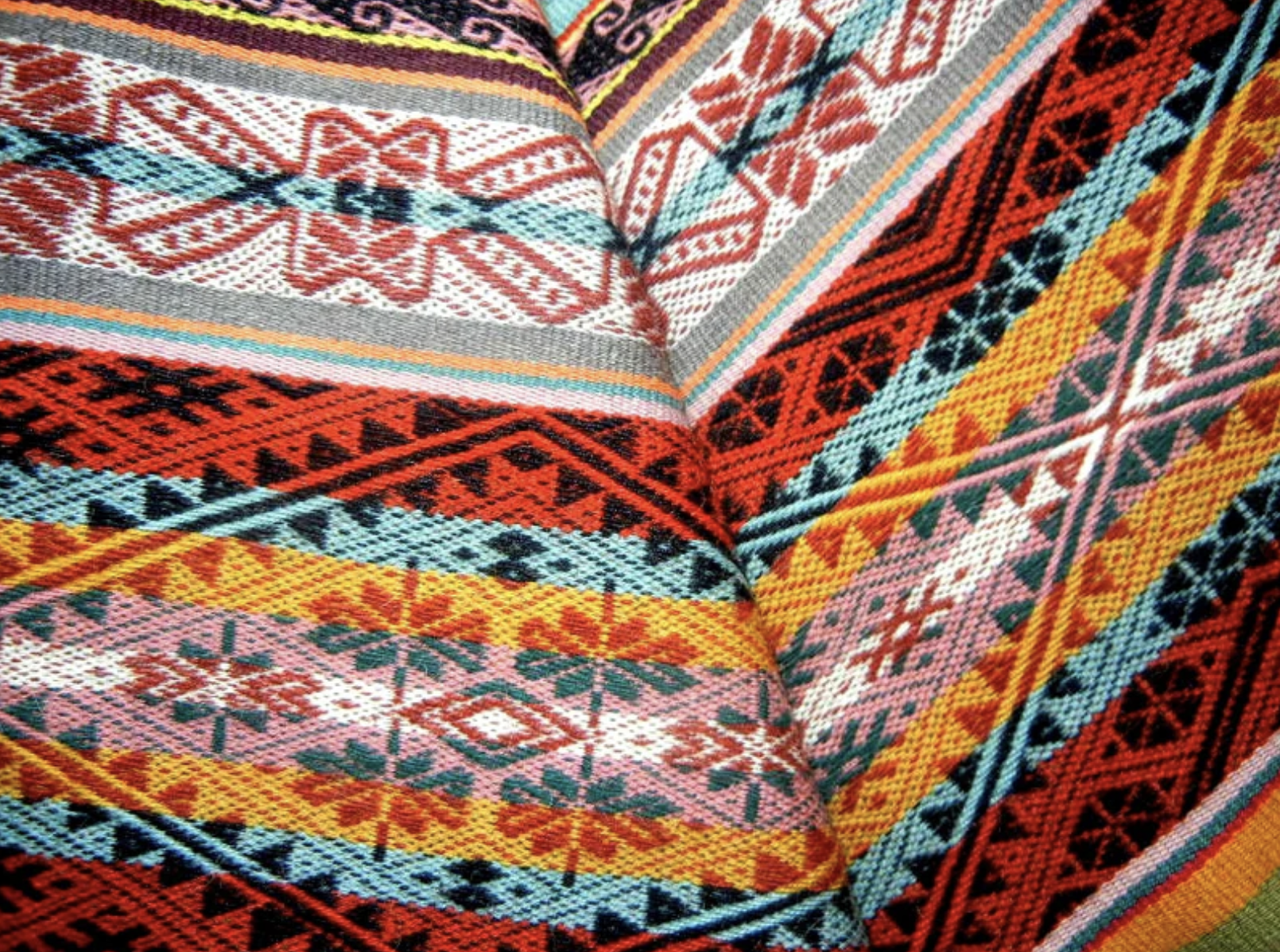
Close-ups of traditional Andean textile patterns, showcasing motifs like rivers, mountains, and animals to illustrate their symbolic language. Image credit: threadsofperu.com
Archaeologist Sarah Baitzel has shown how powerful this visual language has been for centuries. In her research on ancient Tiwanaku burial sites, textiles appear again and again as markers of identity during moments of transition and loss. Woven goods placed alongside the dead carried meaning about grief, memory, and belonging. In seated-flexed burials at sites like Omo M10, patterns reflect how communities responded to change brought on by state expansion, holding onto continuity even as political landscapes shifted. As Baitzel has written, expressions of mourning were stitched directly into cloth, allowing emotional bonds to endure beyond a lifetime.
What makes this especially striking is how quietly textiles do this work. In a region where colonial records often erased or distorted Indigenous voices, fabric became a place where memory could survive. Cloth held what official histories left out. Through color, pattern, and repetition, Andean textiles preserved stories of land, loss, and resilience, carried forward not in books or archives, but worn, folded, and passed from one generation to the next.
Colonial Shadows: Disruption and Resilience
Colonialism sought to unravel this language. Spanish enforcers imposed European attire, levied taxes on native weavings, and redirected production toward exploitative markets that valued labor over lore. Machine-made imitations later diluted intricate designs into tourist trinkets.Kimberly Gauderman, professor at the University of New Mexico, explores this era through the lens of gender and economy in her work on seventeenth-century Quito. In "A Loom of Her Own," she details how women navigated colonial constraints, using textile production to assert authority and maintain cultural practices amid social controls. Indigenous women, she argues, wielded looms as tools of agency, weaving economic independence and identity into their creations despite efforts to suppress traditional expressions. This resilience echoes in highland communities where elders continued instructing the young: "This motif is the lake of our fishers; this, the puma guardian; this, the trail home."
Suggest inserting a photo here: Images of ancient Paracas or Tiwanaku textiles, highlighting intricate embroidery and dyeing techniques to contrast with colonial disruptions.
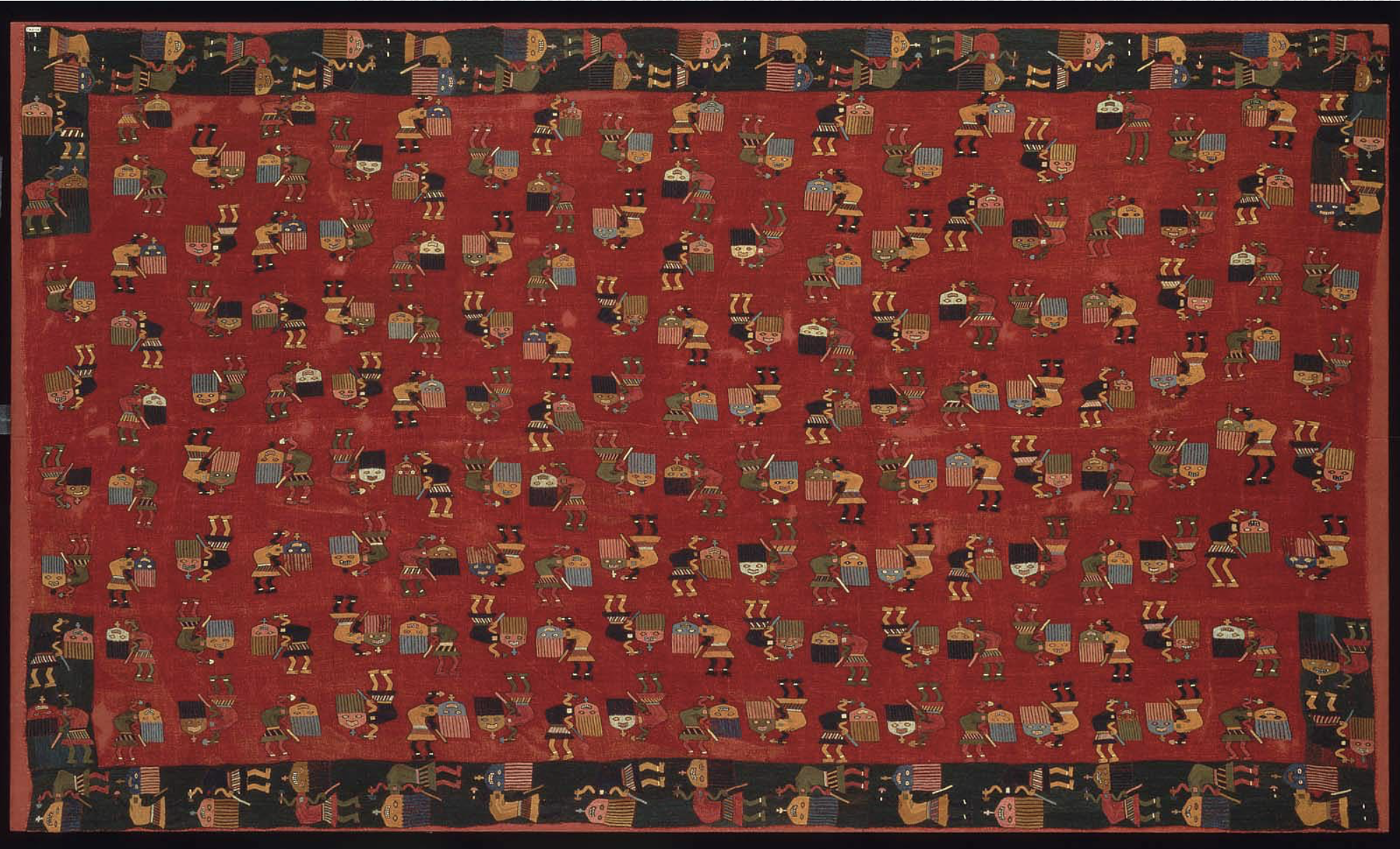
Image credit: smarthistory.org
Contemporary Crossroads: Tourism and Transformation
Today, Andean textiles occupy a precarious space. Fast tourism floods markets in Cusco and Lima with acrylic "alpaca" knockoffs, stripping designs of depth for quick sales. Yet, a counter-movement thrives: groups like the Centro de Textiles Tradicionales del Cusco and Threads of Peru collaborate with communities to ensure fair compensation, motif documentation, and story-sharing as pieces journey abroad.Splitstoser's research on Paracas sites, such as Cerrillos, further contextualizes this evolution. His examinations of spiral-wrapped cords and yarn structures reveal how ancient weavers encoded meaning through technique, a practice that persists in modern adaptations. Weavers now blend ancestral patterns with new hues and forms—jackets, bags, wall art—responding to global demands while rooting innovations in place.
Weaving Sovereignty: Dual Timelines and Radical Refusal
What renders Andean textiles profoundly timely is their fusion of eras: materials like alpaca and llama evoke centuries-old harmony with the environment, while designs adapt dynamically. Baitzel's analysis of post-Tiwanaku settlements, like Los Batanes, shows how textiles facilitated identity reconstruction amid collapse, embodying vertical mobility and ritual continuity. Beyond sustainability—handmade, natural dyes, slow craft—these works assert sovereignty. Communities control how identities are portrayed, which memories endure, and who accesses them. When a weaver in Patacancha or Chinchero incorporates a sacred peak, she's not merely adorning; she's affirming its eternal relevance.Suggest inserting a photo here: Modern Andean weavers teaching children or working in cooperatives, emphasizing knowledge transmission and community resilience.
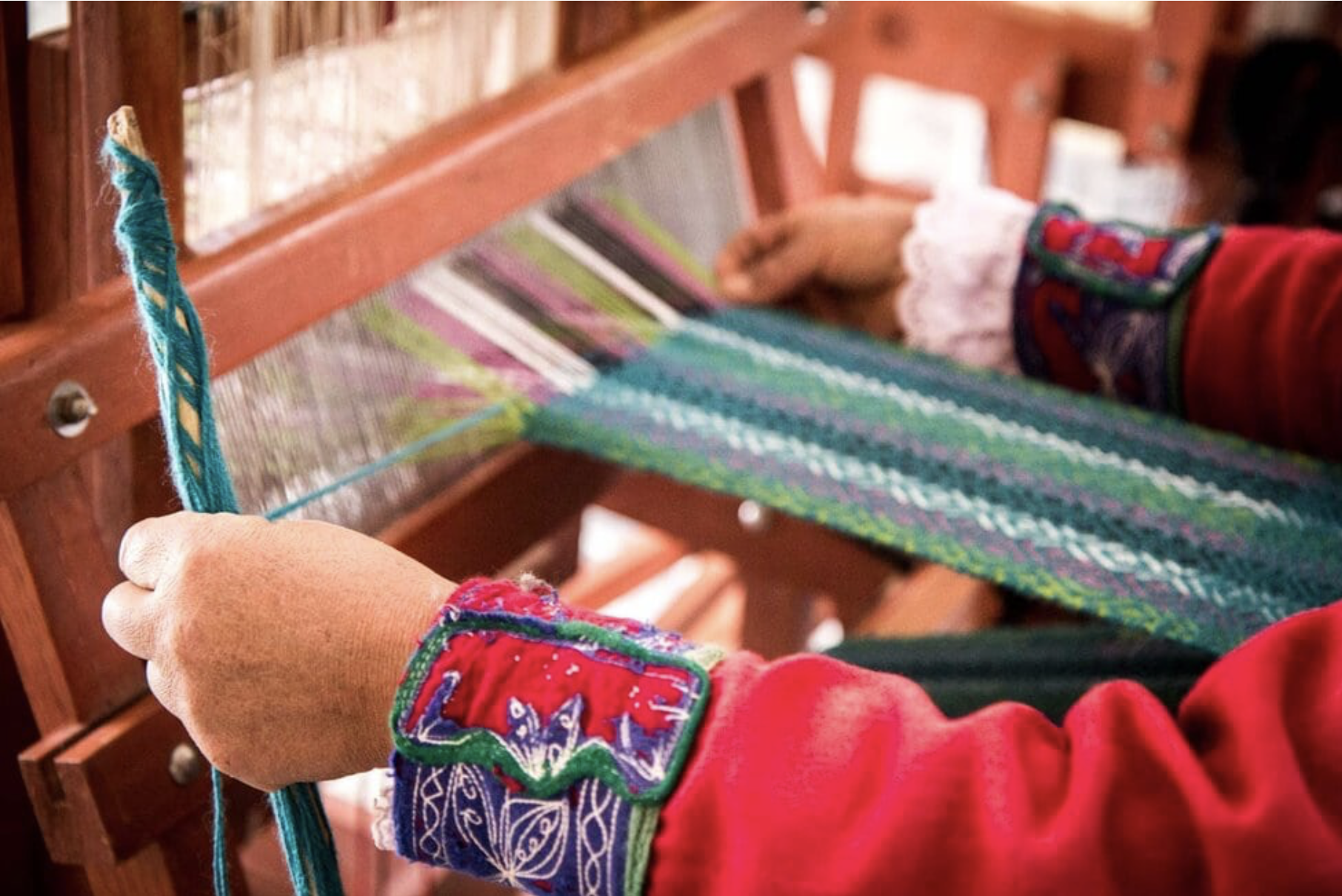
Image credit: timetraveltourtle.com
In an age urging Indigenous youth to abandon heritage for modernity, a shawl bearing ancestral codes is a subtle rebellion: Our narratives persist. Learn the language, and read them.