
Honest Luxury: How Gabriela Hearst Turned Sustainability Into a Competitive Advantage in High Fashion
Gabriela Hearst built her brand on a simple premise: if luxury is supposed to last, then sustainability isn’t an add‑on; it’s the entire point. In an industry where “eco” is often a marketing adjective, she’s turned it into a business model that commands waitlists, awards, and serious cultural capital.
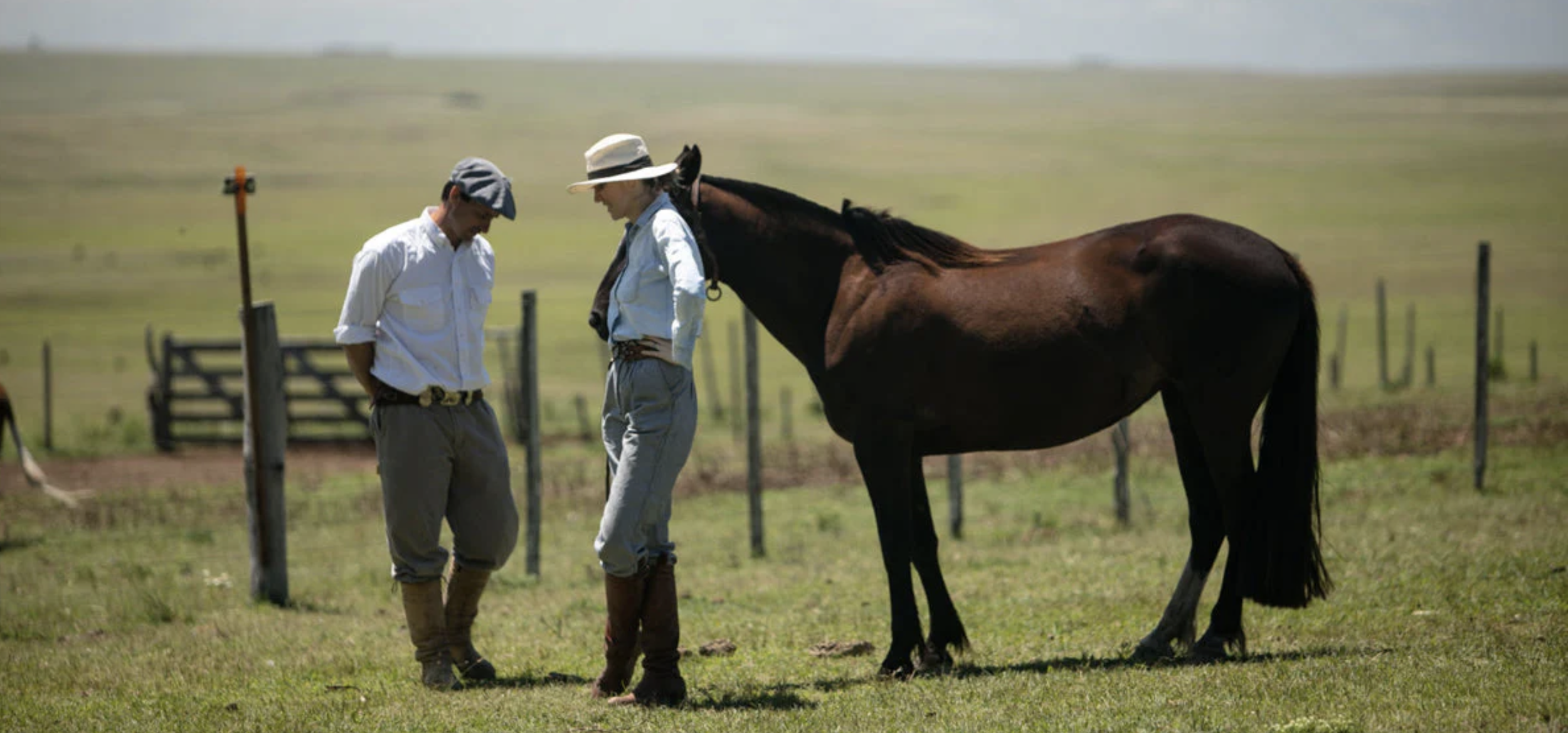
Image credit: www.gabrielahearst.com
Redefining luxury around longevity
From the beginning, Hearst has framed her label around endurance, not novelty. She talks about making “things that stand the test of time,” tying luxury to durability, repairability, and emotional value rather than seasonal trends. On her brand’s site, she lays out a “Sustainable Practices Timeline” that begins in 2015 with a commitment to longevity and deadstock fabrics and expands to include compostable packaging, plastic-free initiatives, and carbon-neutral runway shows, positioning these efforts not as marketing add-ons, but as non-negotiable elements of quality.
That framing is strategic. By insisting that sustainability and quality “go together,” she justifies high price points as the true cost of good materials, skilled labor, and long product life, not just brand prestige. In interviews, she resists “strategic pricing” and trend‑chasing, which reinforces the idea that if you buy into her world, you’re paying for integrity and longevity, not hype.
Scarcity as a values signal
Hearst’s best‑known products became desirable because they were hard to get on purpose. Her Nina bag launched with no e‑commerce add‑to‑cart moment; clients had to email the brand and wait for a reply, turning a handbag into a micro‑relationship with the label. The result was a waitlist that functioned as free marketing, signaling that these weren’t mass luxury goods but scarce objects with stories.
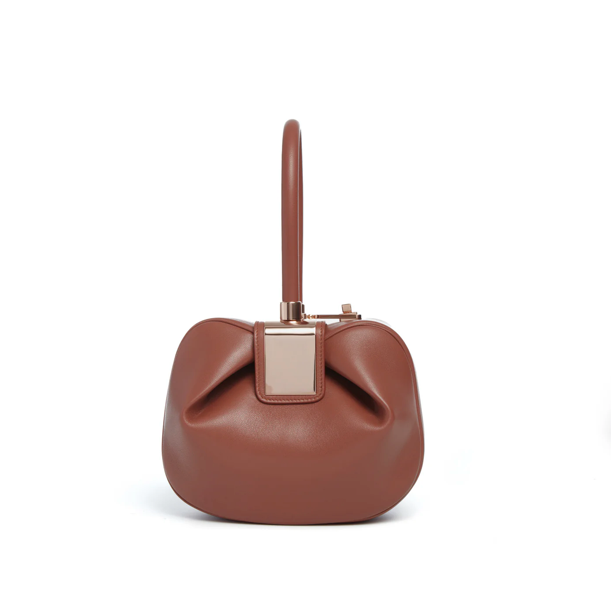
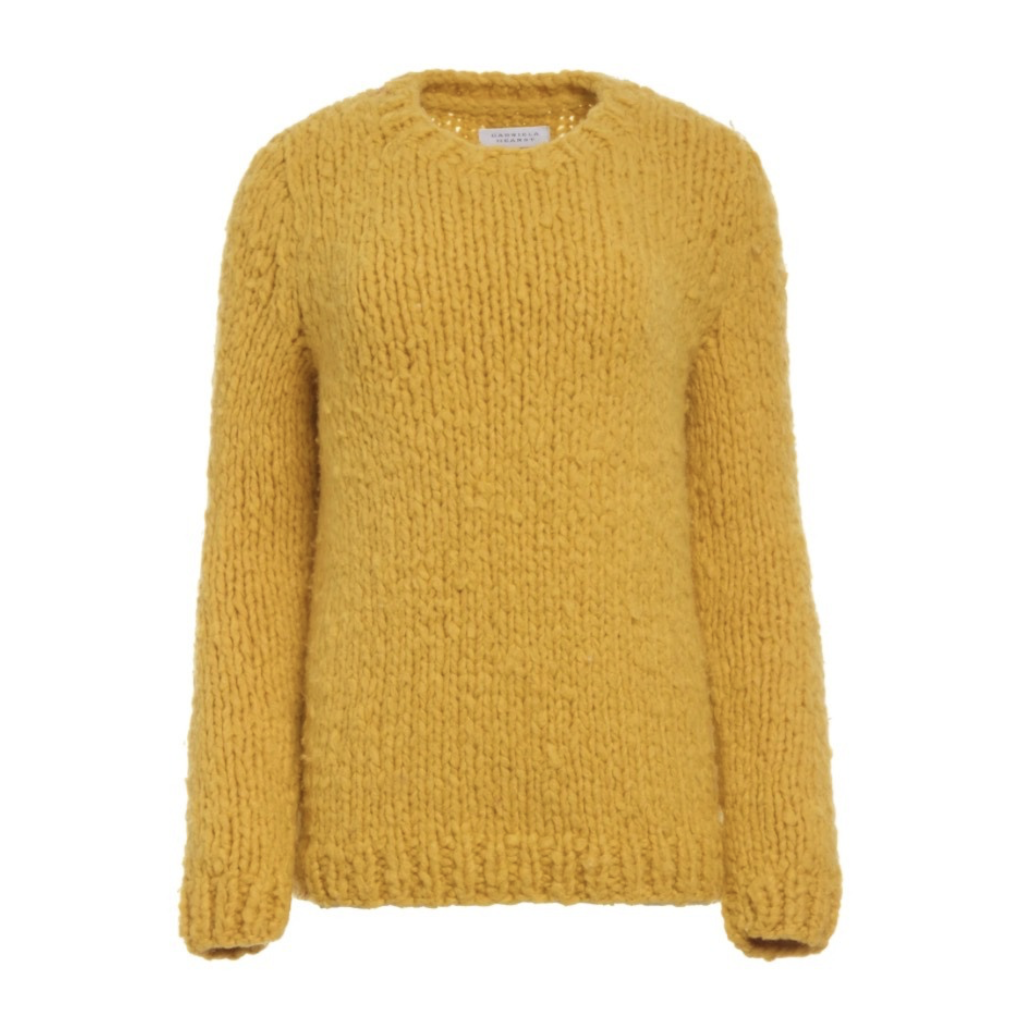
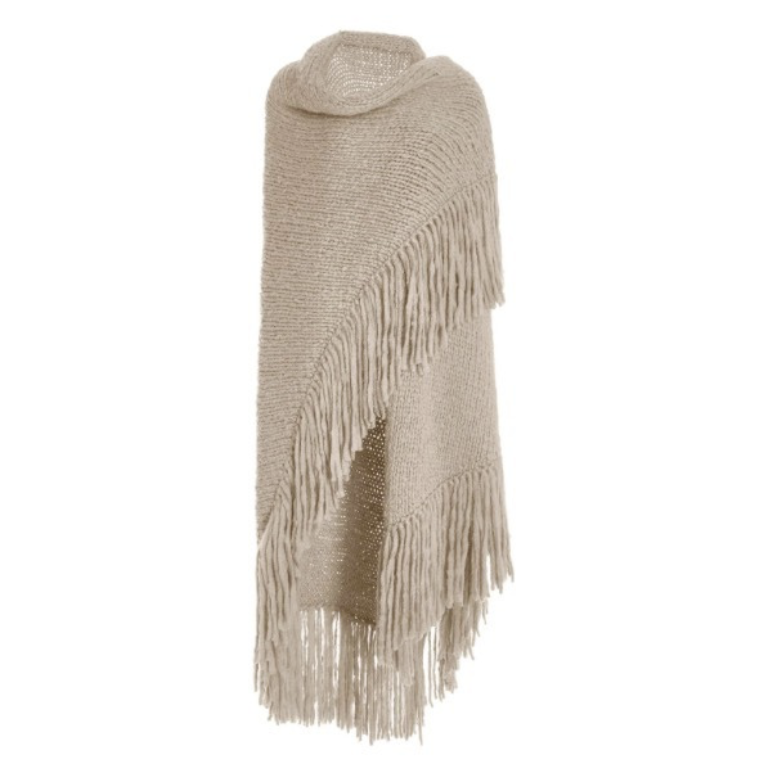
Hearst has maintained that slow, deliberate growth is central to her brand’s philosophy. Nearly a decade after launching her label, she describes her approach as “slow-and-steady,” emphasizing careful expansion and long-term thinking rather than rapid wholesale proliferation. In interviews, she reinforces the idea that scaling the business without compromising her ethical commitments, from sustainable practices to mindful production, is as important as financial performance, positioning limited exposure as a way of protecting both the brand’s identity and the ecosystem that sustains it.
Activism as narrative, not backdrop
Where many brands slap “conscious” on a capsule collection and call it a day, Hearst builds entire collections around climate and energy themes. Vanity Fair describes how she staged a Chloé show powered partly by clean energy, using it to spotlight nuclear fusion and broader energy transition questions. National Geographic and TIME both highlight her as a designer who uses runway shows, press appearances, and speeches to make climate science and policy feel like part of fashion’s vocabulary, not a separate conversation.
Her personal story is part of that effectiveness. Hearst grew up on a ranch in Uruguay, and she frequently ties her obsession with materials, longevity, and land stewardship back to that background. That narrative runs through the brand’s editorial content: blog posts on why durability matters, essays on the “energy the sustainability movement needs,” and features on artisans and supply chains. The result is a label whose marketing copy reads less like a product description and more like a manifesto.
Turning infrastructure into a marketing asset
One of the more under‑discussed parts of Hearst’s strategy is how she uses back‑end infrastructure as front‑end storytelling. The brand partnered with EON to implement digital IDs in garments, allowing customers to see where and how pieces were made, and to track them through their life cycle. That’s a technical move, data, serialization, traceability, but the way it’s presented is emotional: proof that the brand isn’t asking for trust, it’s earning it.
Her sustainability timeline, published on the brand’s site, works the same way. It catalogs steps like eliminating virgin polyester in ready-to-wear, using linen grown with regenerative methods, and producing carbon‑neutral runway shows. Most consumers will never audit these claims, but the transparency invites them to see the brand as a work in progress rather than a finished virtue signal.
She also frames knowledge‑sharing as part of the brand’s role. In interviews about her sustainability journey, Hearst has talked about sharing suppliers and processes so other labels can adopt them, positioning herself less as a secretive competitor and more as a builder of a new standard. For a luxury house, that’s a radical marketing stance: your “moat” is not hoarding solutions, but being the one who got there first and then held the door open.
Purpose‑linked product drops
If longevity and traceability are the quiet infrastructure of the brand, targeted philanthropy is the louder punctuation mark. When she launched some of her early It‑bags, Hearst tied the releases to donations for causes like famine relief in Kenya through Save the Children, making scarcity and charity part of the same story. Buyers weren’t just getting a limited object; they were participating in a concrete act of giving.
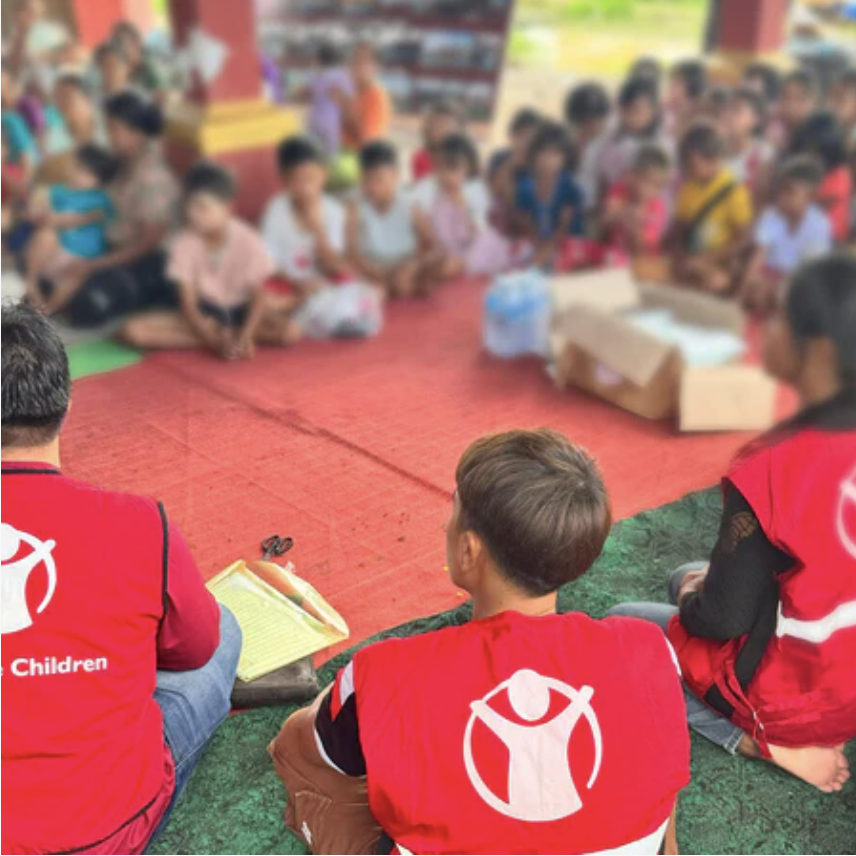
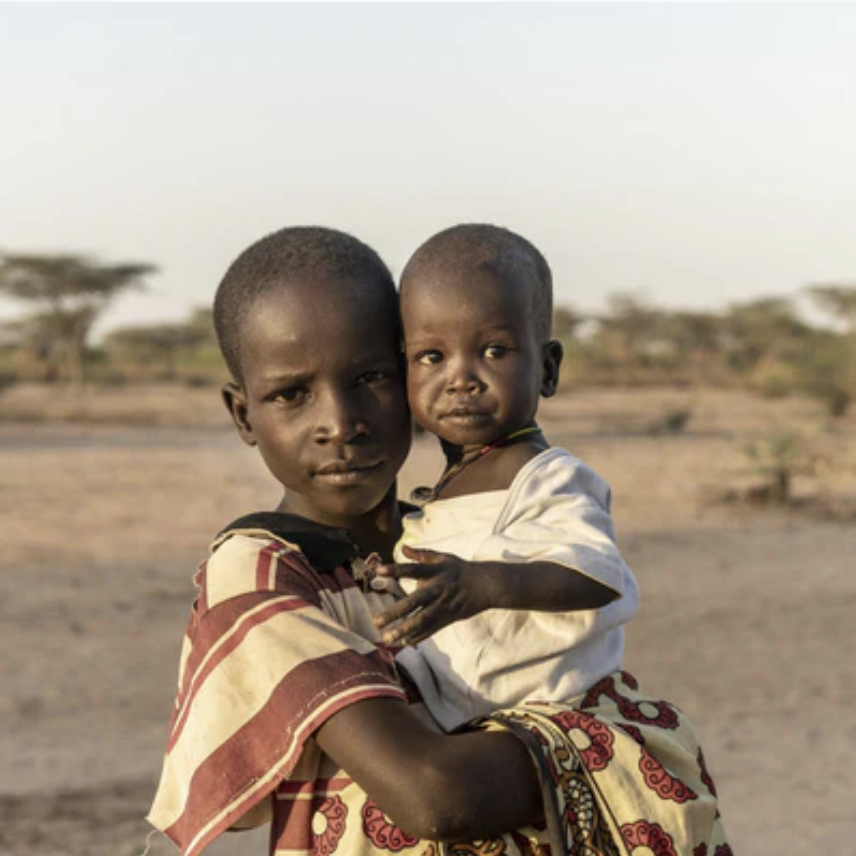
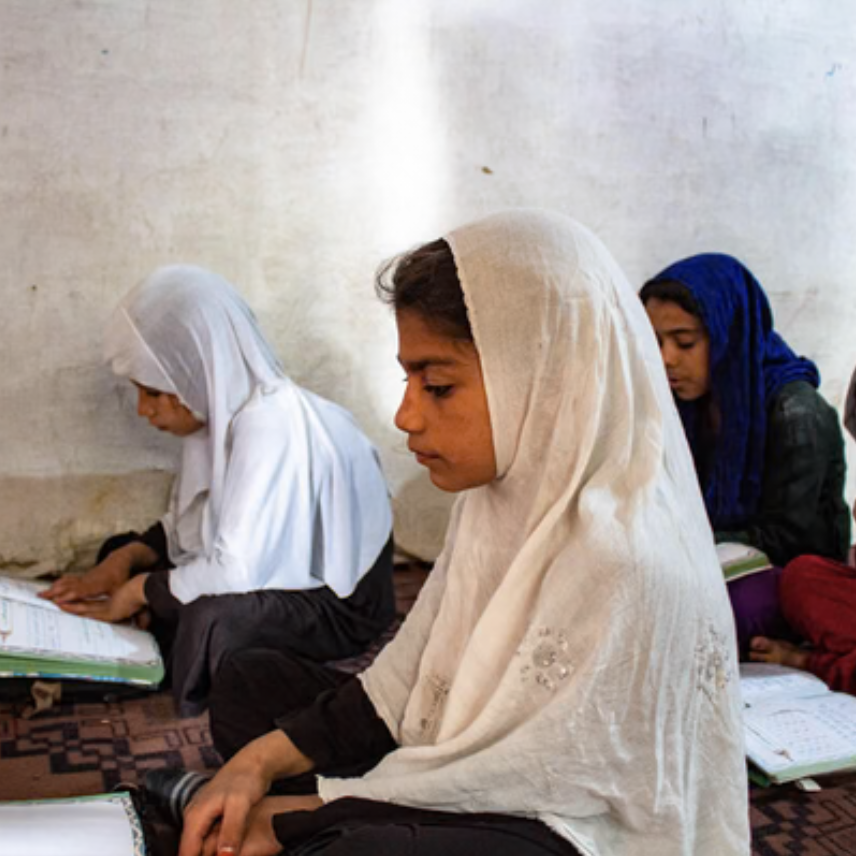
National Geographic notes that she continues to use collections and collaborations to direct attention and resources toward climate and humanitarian issues. That pattern matters from a marketing perspective: product launches become opportunities to activate values, not just spike sales. It’s also a guardrail against the “sustainability as mood board” trap. When there’s money and a measurable impact attached to a capsule, the rhetoric feels less hollow.
What Latin American sustainable brands can borrow
For Latin American sustainable fashion labels, many of which are already doing heavy lifting on ethics, craft, and community, there’s something powerful in the way Hearst translates those commitments into market advantage.
Lead with longevity, not guilt. Hearst doesn’t sell sustainability as sacrifice; she sells it as better design and better value over time. Latin American brands working with high‑quality local fibers (like alpaca, linen, or organic cotton) can lean into durability and heirloom potential instead of only carbon metrics.
Protect scarcity strategically. By expanding deliberately and resisting over-production, Hearst turns controlled distribution into a strategic asset, using scarcity to protect both margins and values. Small Latin American labels, many of which center artisanal production and localized supply networks, can similarly frame limited runs and made-to-order models not as operational constraints but as deliberate commitments to sustainability, craftsmanship, and long-term brand integrity.
Make activism the story, not the sidebar. Hearst’s best coverage comes when climate and energy are the center of the narrative, not just a bullet point. Brands working on issues like deforestation, water scarcity, or indigenous land rights can structure collections, campaigns, and collaborations around those themes, not just mention them in the “About” page.
Turn transparency into consumer‑facing content. The digital IDs powered by EON show how supply‑chain information can become part of the brand experience. Latin American brands may not have that tech infrastructure yet, but even simple versions, QR codes linking to artisan stories, farm‑level info, or repair guides, can play a similar role.
Tie key drops to concrete local impact. Hearst’s famine‑relief and climate‑focused capsules show how to tether high-priced pieces to specific outcomes. Latin American labels could experiment with collections that fund reforestation, community weaving cooperatives, or water projects in the regions they draw from, then make those numbers public.
Gabriela Hearst’s real marketing innovation is not a clever campaign or a viral moment; it’s the decision to let sustainability shape every part of the business and then communicate that rigorously, over the years, until the market understood it as her kind of luxury. For Latin American sustainable brands navigating global markets, that’s the opportunity: to stop treating ethics as a niche and start treating them as the most compelling, and competitive, story they have.
