The Solutions Have Been Here All Along: Why Traditional Craft Is Fashion’s Path Forward
When we talk about the “future of fashion,” the conversation almost always jumps straight to tech. New materials. Lab-grown fibers. AI-powered factories. The industry loves to imagine that the next breakthrough, the next app, machine, or chemical formula, is just around the corner, waiting to save us.
But here’s the truth fashion rarely admits: some of the most powerful solutions aren’t coming. They’re already here. They’ve been here. They’ve been kept alive in communities around the world, passed down through hands, stories, and cultural memory, not supply chains.
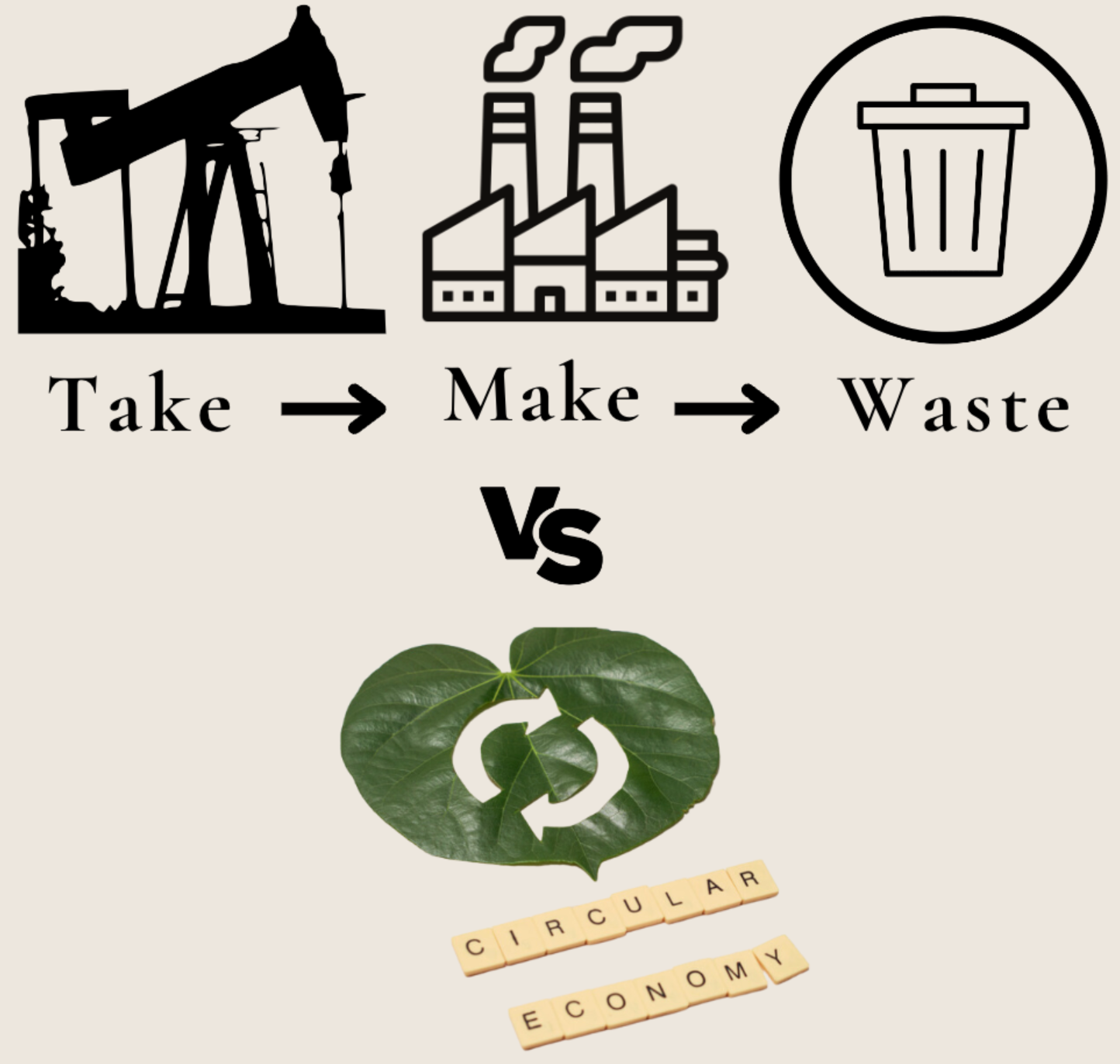
The Circular Economy Already Exists, and It Didn’t Come From Silicon Valley
Fashion likes to present circularity as a radical, futuristic idea. But for craft communities, circularity has never been a trend or a marketing strategy. It’s a survival system.
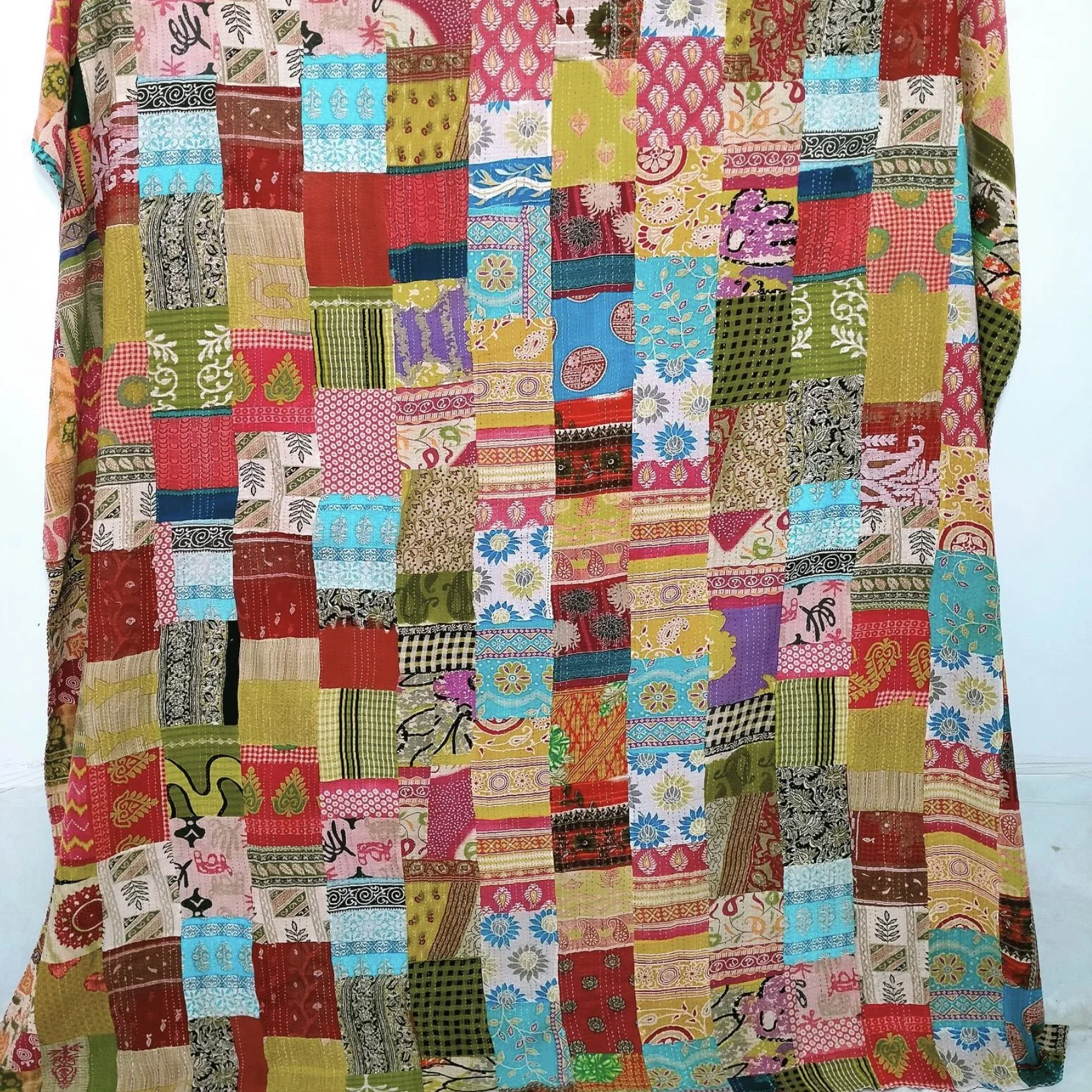
Take kantha, the Bengali quilting tradition. Families turn worn-out clothes into something new, layers of history stitched together, long before “upcycling” became an industry buzzword. And unlike industrial “recycling” systems, which rely on massive energy inputs and rarely work the way brands claim, craft-based circularity is simple, efficient, and proven.
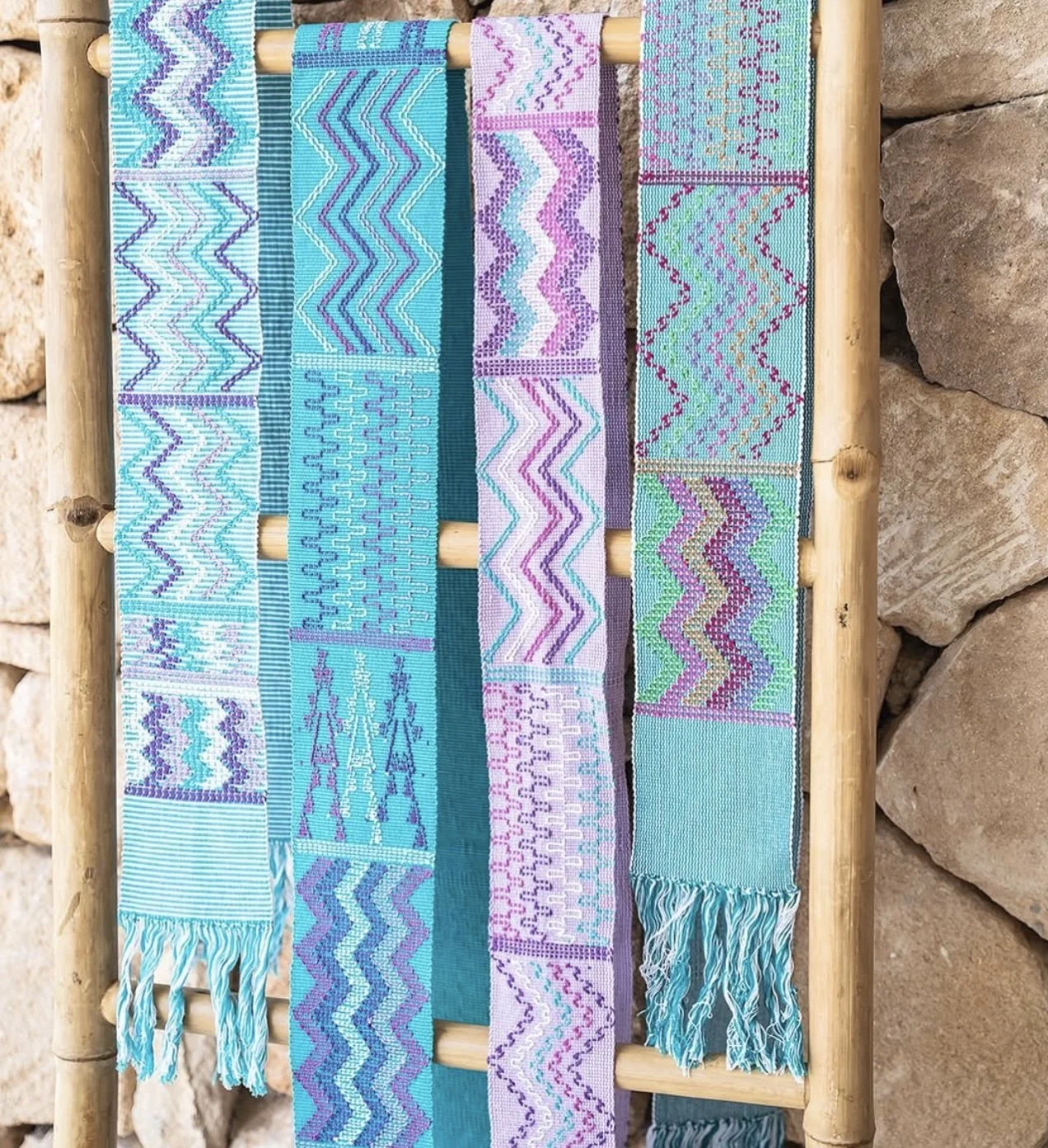
Handloom textiles operate on the same logic. These fabrics are made without fossil-fuel-heavy machinery or chemical processing. They last for years, sometimes generations, which means they don’t demand constant replacement. Batik artisans rely on natural dyes. Many weavers work with local fibers grown within walking distance of their homes.
It’s sustainability without the press release.
Environmental Stewardship Was a Cultural Value Before It Was Corporate Strategy
In fashion’s race to reinvent sustainability, one thing often gets overlooked: many communities have already spent centuries developing production systems that work with the land, not against it.
Craft is slow by design. It’s low-impact because it comes from rhythms of life: seasonal cycles, local materials, shared knowledge. In many weaving traditions, artisans know exactly when fibers should be harvested, how long to soak them, how the weather will affect dyes. That kind of environmental literacy doesn’t come from a manual. It comes from lived experience.
These traditions don’t just reduce carbon emissions. They preserve entire ecosystems of knowledge: how to dye with plants, how to weave with minimal waste, how to respect what the earth offers and what it doesn’t.
When we talk about sustainability without talking about culture, we’re missing half the story.
Cultural Heritage Is Not an Aesthetic, It’s Knowledge
Traditional craft carries history. Identity. Resistance. In many regions, textiles aren’t just clothing; they’re storytelling, and sometimes acts of political defiance.
Across cultures, textiles encode place and belonging. The motifs and techniques in Andean textiles vary by community, with distinct weaving methods and patterns tied to specific highland villages. Many traditional weaving methods, like Pitumarca’s discontinuous warp, are intentionally slow and complex, representing not just aesthetic choices but deep cultural knowledge passed across generations.
Across Andean textile communities, women and men weave together regularly, and elders share specialized techniques with younger weavers as part of ongoing cultural transmission. In places like Pitumarca and Chinchero, weaving practices once considered nearly lost have been revived through community efforts and gatherings that sustain ancestral knowledge. In Aacha Alta, weaving extends beyond clothing to utilitarian and ceremonial objects such as traditional potato sacks and braided slings, illustrating how textiles are woven into everyday practice.
Take Khadi. On the surface, it’s a hand-spun, handwoven cloth from India, but its meaning runs much deeper.
Take Khadi. On the surface, it’s a hand-spun, handwoven cloth from India, but its meaning runs much deeper. During India’s freedom struggle, Khadi became a symbol of resistance to colonial rule and a call for economic self-reliance. Wearing it wasn’t just getting dressed for the day; it was choosing a side.
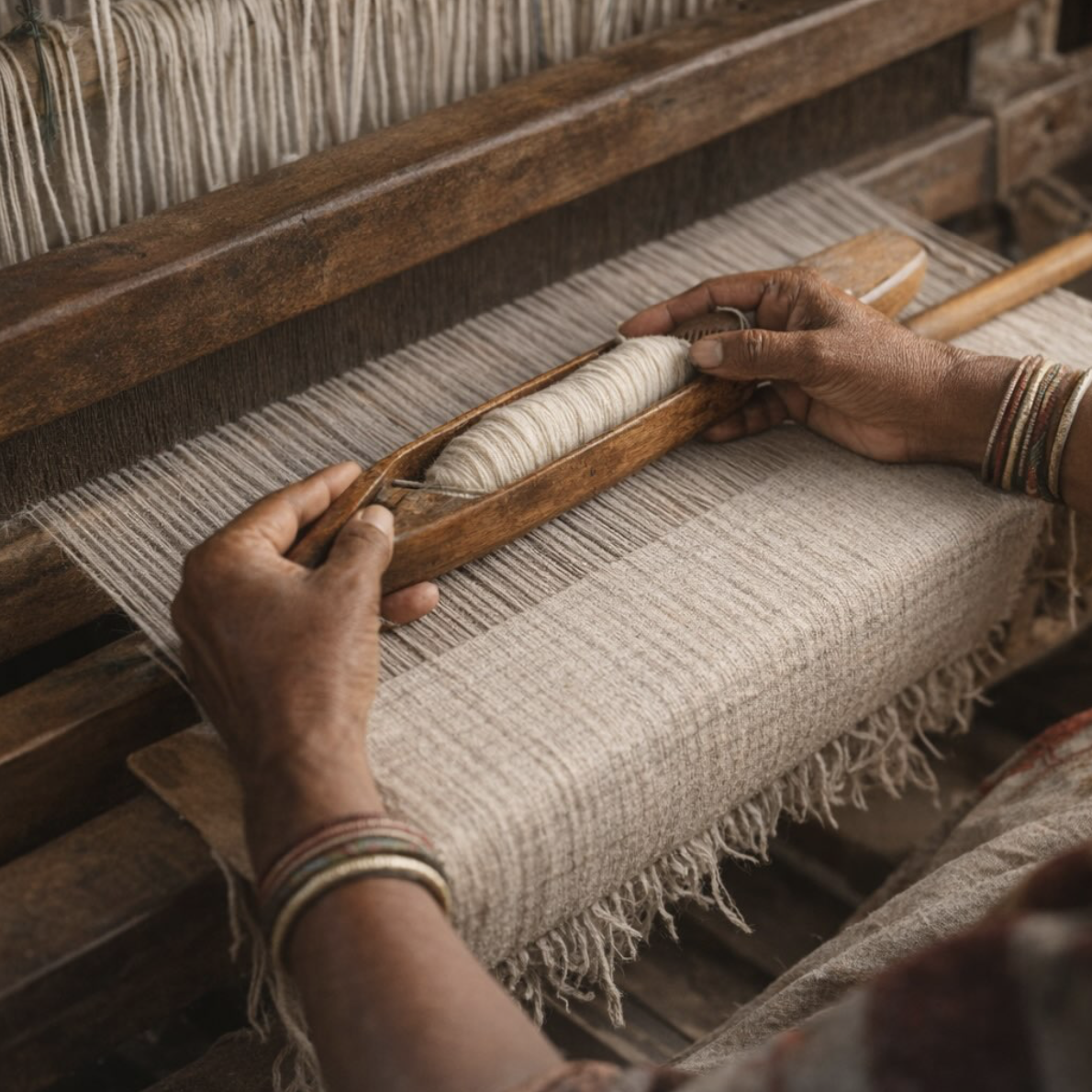
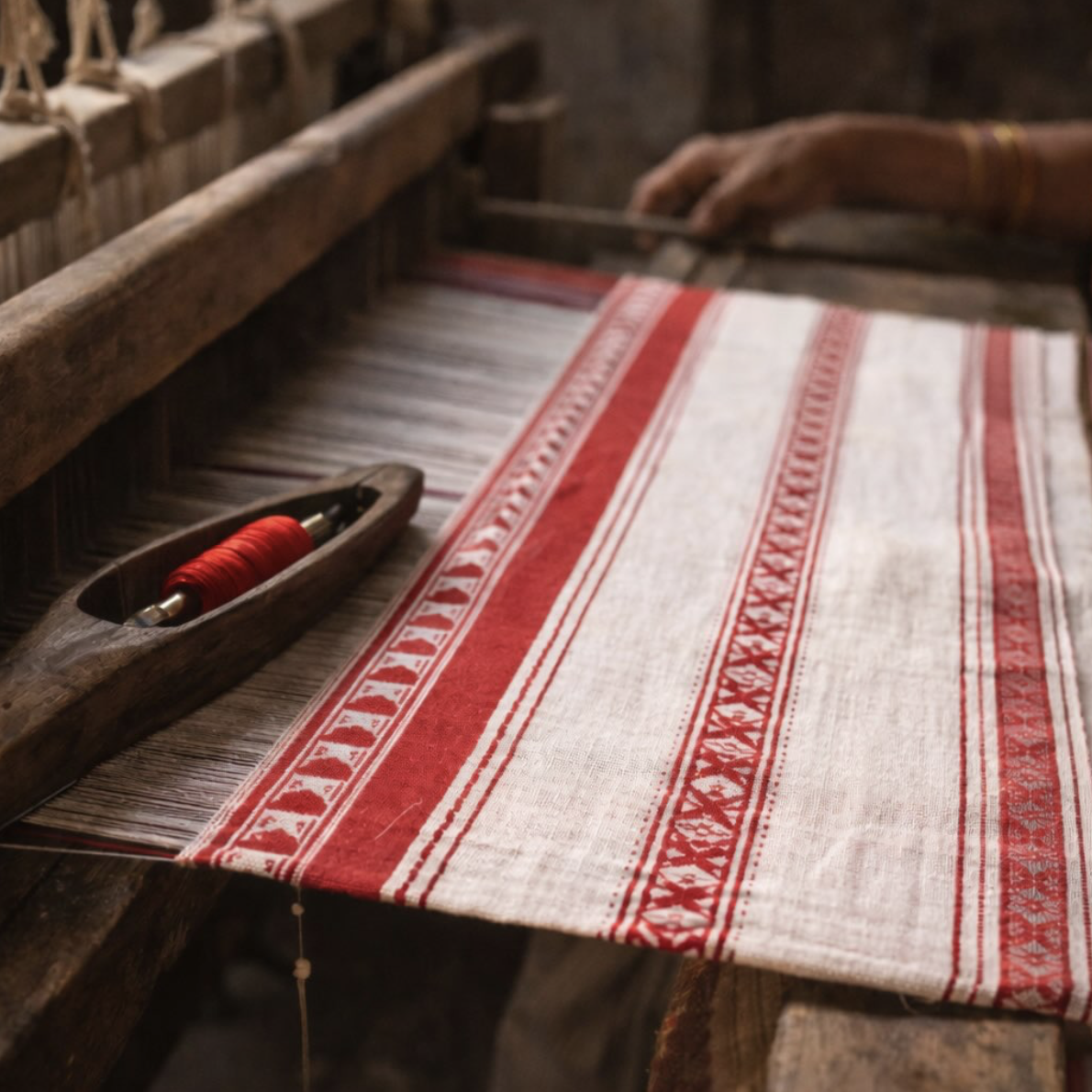
And Khadi isn’t an isolated example. Around the world, artisanal textiles preserve languages, rituals, weaving patterns, natural dye recipes, and community memory that industrial fashion could never replicate. When a craft tradition disappears, it’s not just a technique that’s lost; it’s an entire worldview, including knowledge about how to care for materials and ecosystems.
Economic Justice Through Fair Labor
Craft sustainability isn’t only environmental; it’s economic. For many communities, traditional craft is a primary livelihood. When consumers and brands choose craft, they support systems where artisans are paid fair wages and retain control over their work.
This stands in stark contrast to fast fashion’s dependence on opaque supply chains and exploited labor. As demand for ethical fashion grows, especially among younger shoppers, craft offers a model rooted in dignity and transparency.
Supporting artisans isn’t charity; it’s economic justice.
The Innovation Paradox
Here’s the irony: the fashion industry celebrates innovation, yet often overlooks the long-standing systems that already work.
Craft offers some of the most effective solutions for responsible fashion: methods that produce less waste, use local materials, strengthen communities, and prioritize quality over quantity. These aren’t outdated practices in need of modernization. They’re sustainable models that industrial fashion abandoned in the push for speed and scale.
The real innovation might be slowing down long enough to notice.
Challenges and Opportunities
Integrating craft into mainstream fashion isn’t simple. Issues like fair wages, intellectual property protection, and corporate power dynamics need real attention. And it’s true, artisan production won’t (and shouldn’t) scale to fast fashion volumes.
But maybe scale isn’t the goal. Maybe the goal is reshaping consumption itself.
Craft doesn’t compete with fast fashion; it offers an alternative path, one rooted in meaning, longevity, and connection.
Moving Forward by Looking Back
The fashion industry doesn’t need to invent sustainability from scratch. The answers already exist in the communities that have practiced them for centuries.
The task now is learning from, not extracting from, those traditions. That means partnerships built on respect, fair compensation, and recognition of cultural ownership. It means supporting artisans through fair trade systems, digital platforms, and storytelling that honors the full history behind their work.
Experiential learning shows that when people engage with traditional craft, their ecological and cultural awareness expands. They begin to see fashion as a relationship, not a disposable product.
Traditional craft offers more than garments. It offers pathways.
In a world desperate for sustainable solutions, maybe the most radical thing we can do is listen to the communities who’ve had the answers all along.
Related Posts