
Fashion Keeps Calling These Textiles “Artisanal.” Indigenous Communities in Argentina Have Been Building Advanced Textile Systems for Thousands of Years
Fashion loves to talk about innovation. But in Northwest Argentina, some of the world’s oldest textile systems are still practiced today by Indigenous Kolla and Wichí women who continue to pass weaving knowledge across generations.
In the high-altitude landscapes of Jujuy and Catamarca, weaving is not simply a form of craft production. It is tied to community identity, memory, spirituality, and survival. These textile systems have endured through colonization, industrialization, and decades of fashion reducing Indigenous aesthetics into generic “bohemian” trends.
Ancient Textile Technologies
Archaeological evidence from Northwest Argentina reveals that textile production has shaped the region for thousands of years. Research conducted in the foothill region of Jujuy uncovered spindle whorls used for hand-spinning fiber into yarn, alongside ceramic weaving representations and textile imprints connected to early communities in the San Francisco River region dating from roughly 2,000 years ago to 500 CE.
Spindle whorls were small weighted tools attached to wooden spindles to help maintain momentum while raw fibers were twisted into yarn. Archaeologists increasingly interpret these objects not only as evidence of textile production, but also as markers of women’s labor, technical knowledge, and social identity within ancient communities.
Spindle Whorls
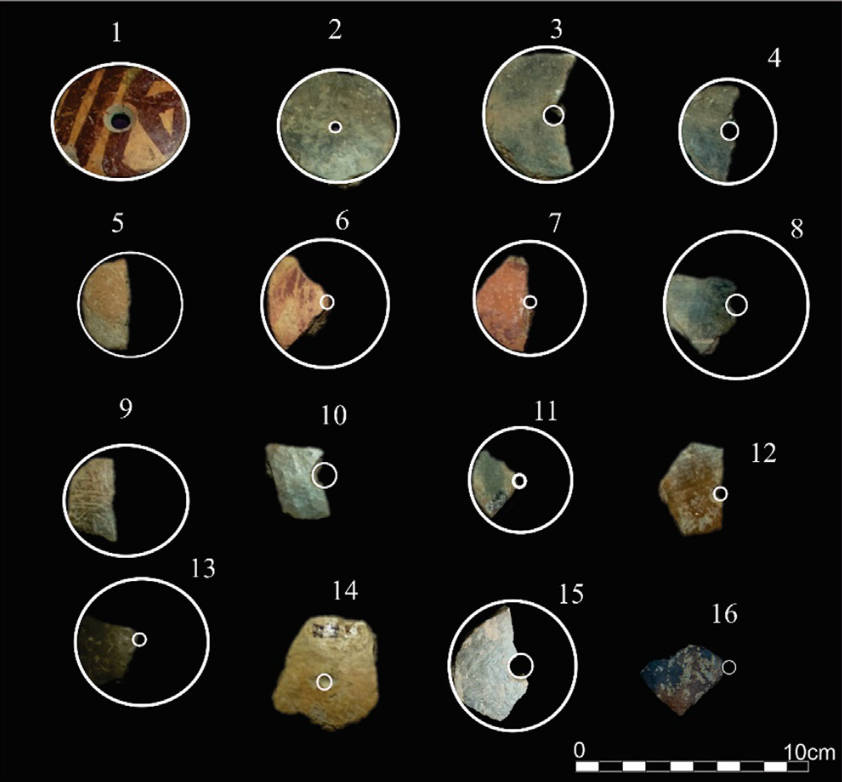
Archaeologists uncovered 19 ceramic spindle whorls at the Pozo de la Chola site in Jujuy, with most dating to roughly 2,000 years ago. These small weighted tools were attached to hand spindles and used to spin animal or plant fibers into yarn.
Researchers found that many of the whorls were made by reshaping fragments of broken ceramic vessels, revealing an early practice of material reuse within textile production systems.
Most measured between 4.5 and 5 centimeters in diameter, suggesting intentional standardization in spinning technology.
Why It Matters
The discovery of spindle whorls inside domestic spaces suggests that textile production was embedded in everyday community life rather than confined to elite or ceremonial settings.
Hand-spinning using drop spindles, known as pushka, remains central to contemporary Kolla and Wichí textile traditions today.
Ceramic spindle whorls recovered from the Pozo de la Chola site in Jujuy, Argentina.
Source: Ortiz, G. et al., Journal of Anthropological Archaeology 60 (2020).
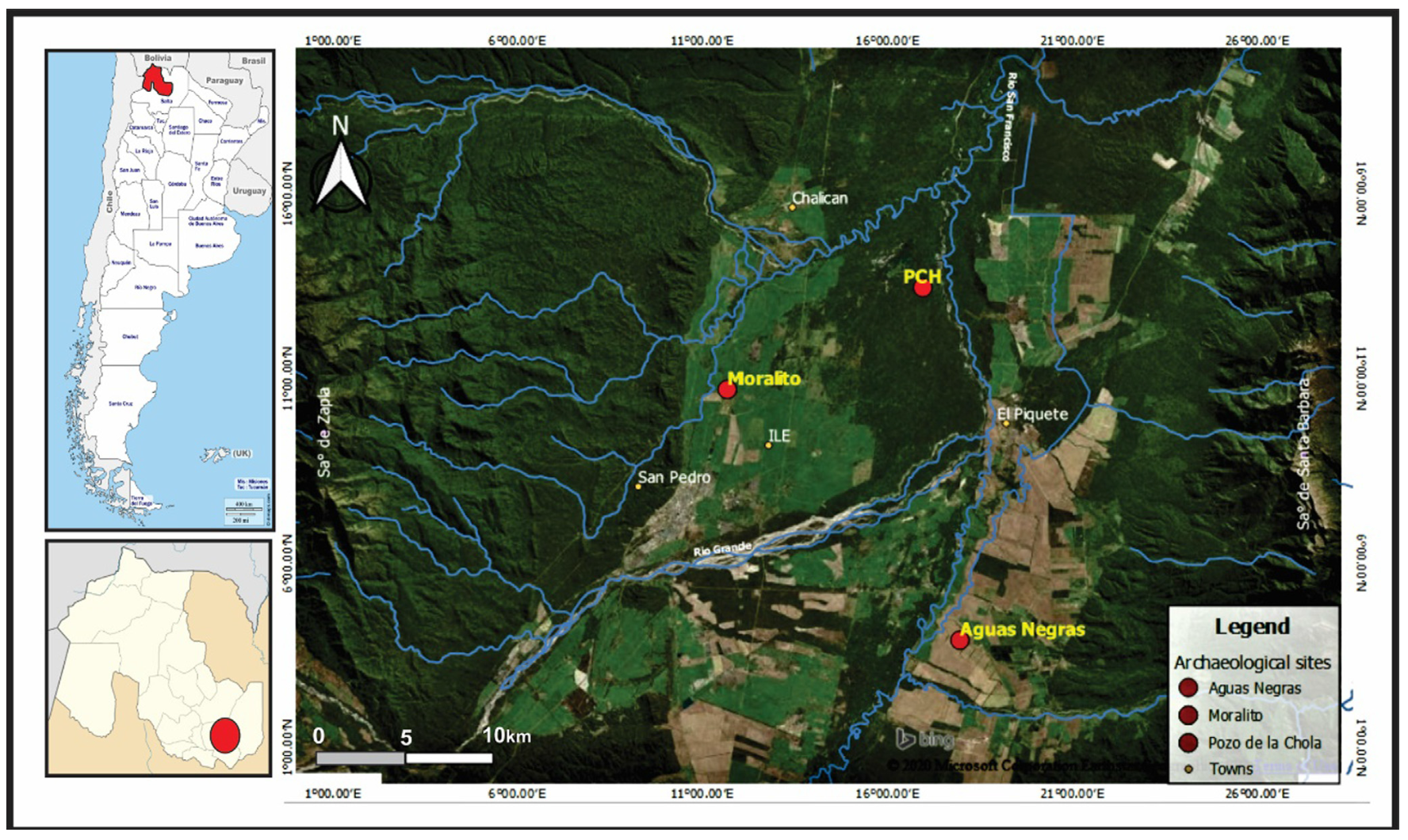
What Was the San Francisco Tradition?
The San Francisco tradition refers to early communities that lived in the foothill region of Jujuy between roughly 2,000 years ago and 500 CE. Archaeological findings connect these communities to some of the earliest known textile production in Northwest Argentina, including evidence of looping techniques, ceramic weaving representations, and fiber processing.
Researchers believe some of these textile traditions may extend even further back into earlier hunter-gatherer societies.
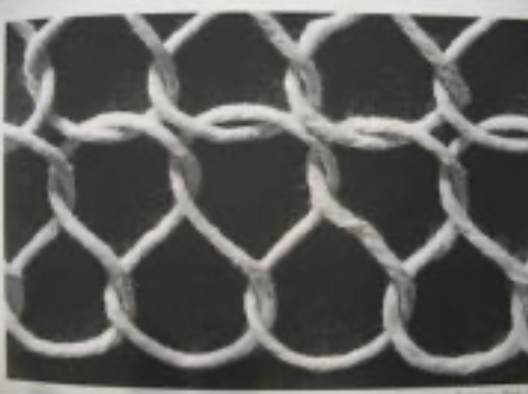
Particularly significant is the discovery of the hourglass looping, or figure eight, technique, an ancient method used to construct mesh textiles from a single continuous fiber. Unlike loom weaving, the technique creates fabric by repeatedly looping one thread into itself to form flexible net-like structures similar to mesh bags.
Archaeologists identified the structure through impressions left on ceramic fragments, marking the first indirect archaeological evidence of the technique documented in Argentina. Researchers believe the practice itself may trace back nearly 8,000 years to hunter-gatherer communities across the region.
These ancient textile systems were never just about decoration. From the beginning, weaving functioned as a visual language that communicated social identity, ecological knowledge, and spiritual beliefs. Every technical choice carried meaning, from the direction a thread was twisted to the brightness of a dye or the structure of a woven pattern.
The Aristocracy of Color
Long before European fashion associated color with wealth or status, Andean societies had already developed what scholars later described as an “Aristocracy of Color.” Brilliant reds, vibrant oranges, deep blues, and violet tones signaled prestige because the dyes required to create them were rare, difficult to produce, and time-intensive to make.
Cochinilla created saturated reds, indigo produced dark blues, achihuete seeds generated bright oranges, and mullu coral red carried ceremonial and diplomatic significance.
Among the Inca and Aymara, red and blue became associated with nobility itself. Historical accounts describe garments worn by Mallkus, or great lords, as structured around these color systems, while imperial tunics incorporated geometric compositions such as the Ayquipa chessboard design to communicate military and political rank.
In this context, color was not simply aesthetic. It was social and political language.
That visual language still survives in contemporary Kolla weaving communities across Jujuy.
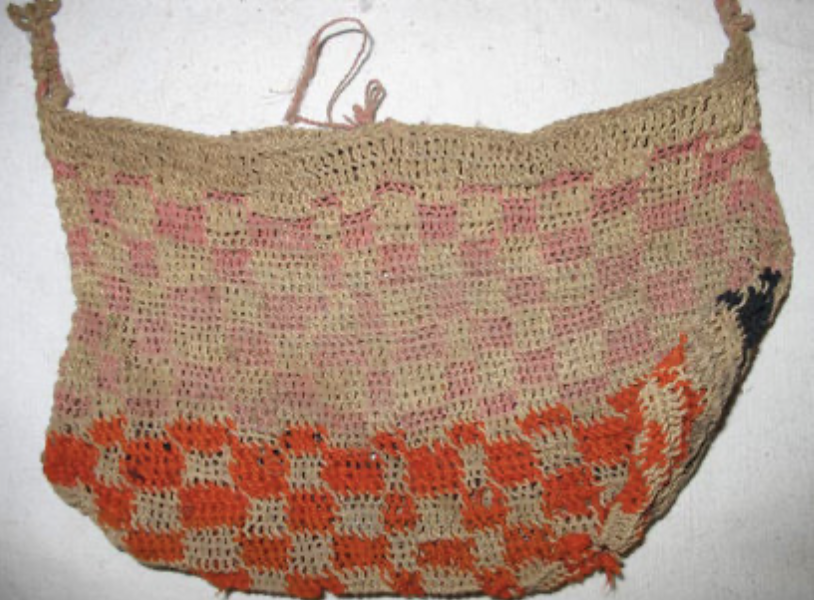
Anthropologist Andrea Fuchs documented how Kolla weavers openly rejected the muted “earth tones” often favored by Western fashion markets. Pale greys, washed beiges, and dusty pastels were described by artisans as “sad,” “dead,” or lacking vitality. Instead, weavers insisted on bold chromatic contrasts such as tomato red against violet or orange against dark blue because bright colors bring “light and life.”
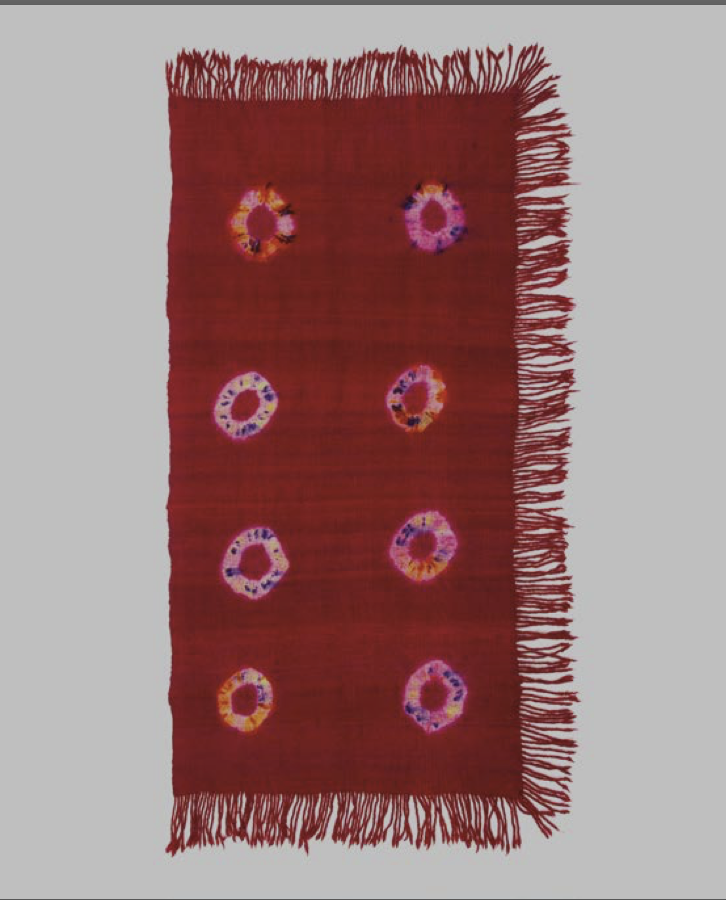
Contemporary Kolla textile with strong chromatic contrast. Image source: archivos.fnartes.gob.ar/publicaciones/La-argentina-textil.pdf
Bright chromatic contrasts remain central to Kolla textile traditions, where color carries social, spiritual, and cultural meaning.
Weaving as Philosophy
Some Andean textiles are made using complementary warp weaving, a technique in which two contrasting threads work together to build the fabric. One color becomes the visible pattern while the second recedes into the background, but both threads are necessary for the textile to hold together.
Researchers connect this weaving structure to Andean ideas of reciprocity, duality, and interdependence. Rather than treating opposites as forces in conflict, Andean cosmology understands balance as something created through mutual support. In this sense, the textile becomes more than fabric. It becomes a physical expression of how the world itself is believed to function.
That philosophy also appears through color. Kolla weavers often insist on intense chromatic contrasts because these combinations are believed to give textiles “light and life.” In some communities, bright colors are also associated with protection, health, and shielding children from the “bad eye.”
Organizations such as Warmi Sayajsunqo, which includes thousands of women across dozens of Kolla communities, position Indigenous women as institutional leaders and guardians of textile knowledge. Their authority extends across the entire textile production process, from cleaning llama wool and hand spinning fibers to directing dye processes, constructing patterns, and preserving cultural and spiritual knowledge connected to Andean cosmology.
This work exists within a continuum of labor that connects contemporary artisans directly to some of the oldest textile traditions in the Americas.
Excavations in Antofagasta de la Sierra in Catamarca reveal that weaving has been part of daily life in the region for thousands of years. By the first millennium BCE, Andean communities were already producing sophisticated textiles from llama, alpaca, and vicuña fibers dyed with vivid reds derived from Relbunium roots, a plant related to the globally known madder dye family.
Two Different Textile Worlds
Importantly, there is no single textile tradition in Northwest Argentina. Different Indigenous communities developed their own ways of weaving based on the landscapes they lived in, the materials available to them, and their cultural beliefs.
Kolla weaving traditions from the Andes differ significantly from Wichí textile traditions from the Chaco region.
Kolla textiles are typically made from llama, alpaca, or vicuña fiber and woven on looms to create dense fabrics used for ponchos, mantles, and shawls. Wichí women, by contrast, work primarily with chaguar, a strong plant fiber gathered from wild forest plants known as bromeliads. Instead of using looms, they construct yicas, or mesh carrying bags, by looping a single fiber repeatedly into itself to create flexible net-like structures.
Even the direction in which fibers are twisted during spinning differs between Andean and Chaco textile systems, reflecting separate histories of technical knowledge passed down through generations of women.

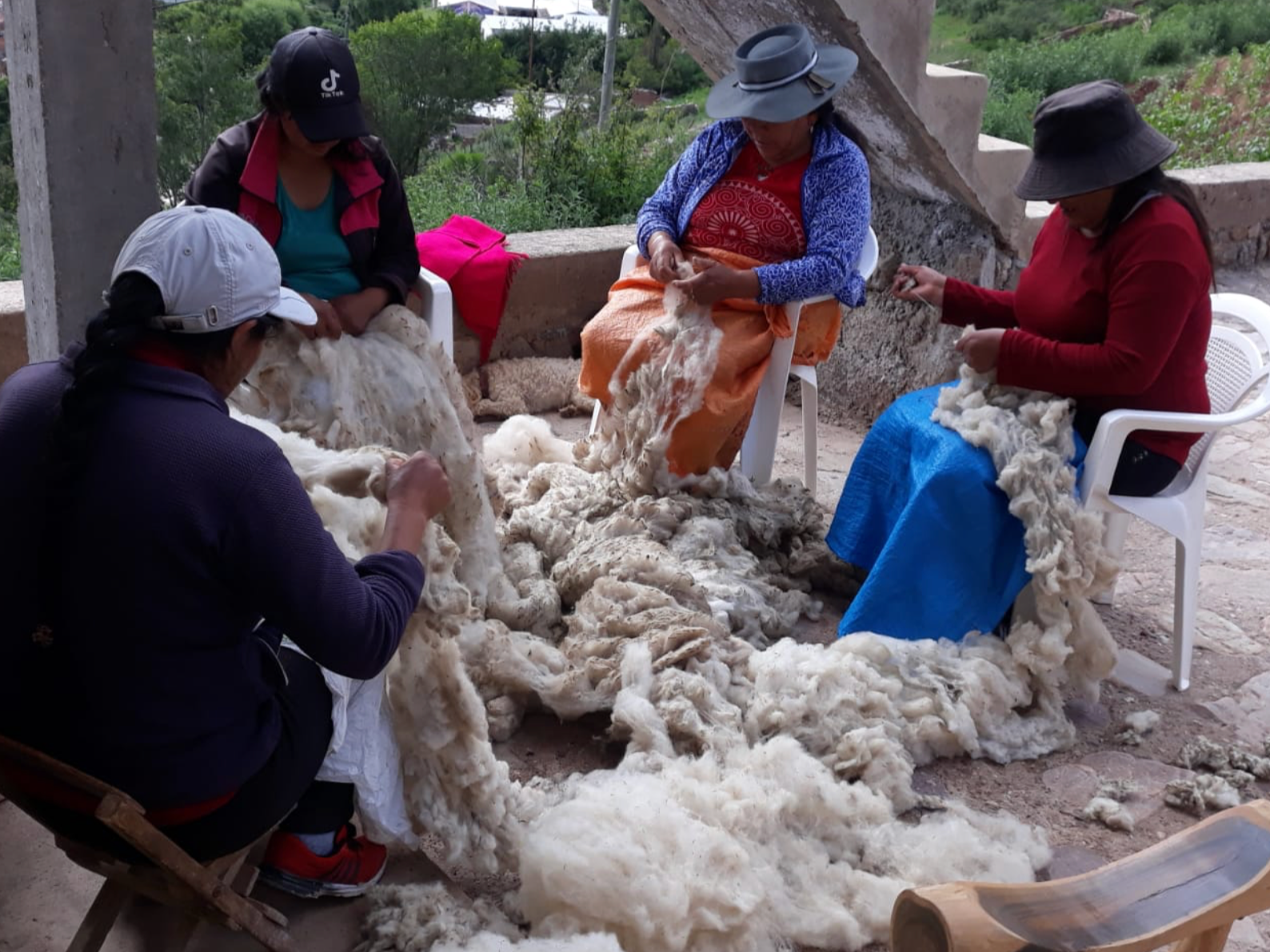
Kolla and Wichí textile systems developed through distinct materials, techniques, and ecological environments.
A Living Cultural Landscape
The surrounding landscape helps explain why these textile systems remained connected and alive for so long.
The Quebrada de Humahuaca, recognized as a UNESCO World Heritage cultural landscape in 2003, stretches across northern Jujuy and has served as a major corridor of exchange for more than 10,000 years. Communities traveling through the valley connected the Andes with lowland regions, allowing goods, technologies, and ideas to circulate long before modern borders existed.
But the significance of the Quebrada goes beyond archaeology. UNESCO recognized the region because Indigenous communities still actively live within and shape the landscape today through farming systems, ceremonies, architecture, and textile production practices that continue across generations.
That distinction matters in a fashion industry that often treats Indigenous design as aesthetic inspiration disconnected from the people who created it.
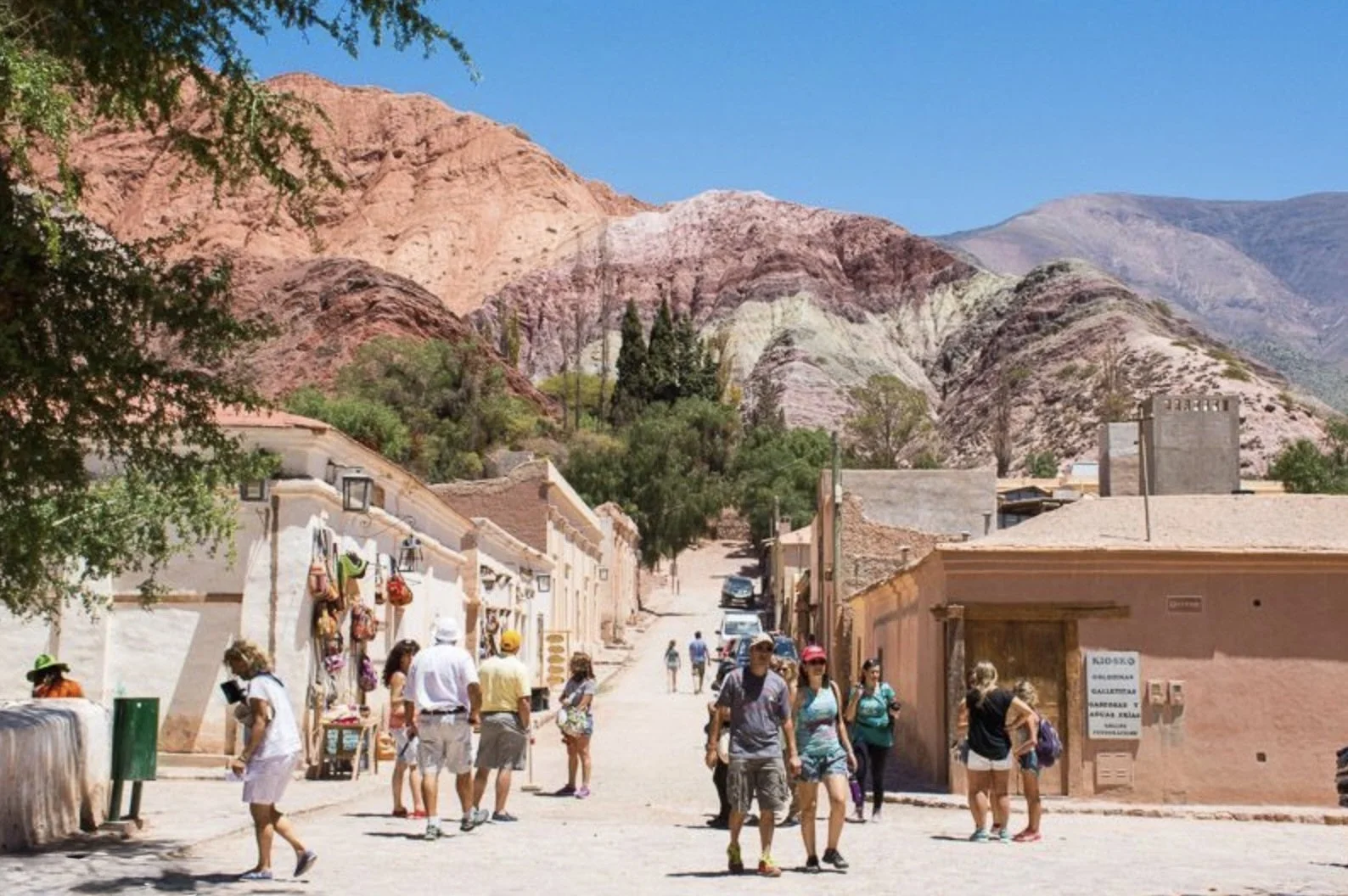
The Quebrada de Humahuaca has connected Indigenous communities, trade routes, and textile traditions for thousands of years.
What Fashion Still Gets Wrong
In Northwest Argentina, weaving is not a museum artifact or a disappearing craft tradition. It remains part of daily life, economic survival, cultural memory, and community identity. Women continue to adapt these textile systems to modern realities without abandoning the knowledge inherited from previous generations.
The result is something fashion still struggles to categorize: textile traditions that are simultaneously ancient and contemporary, ceremonial and commercial, local and global.
For Smart Fashion, these communities offer an important reminder that sustainability is not a new industry invention. Long before fashion adopted the language of slow production, circularity, or regenerative design, Indigenous textile cultures across the Andes had already built systems rooted in ecological knowledge, collective labor, material precision, and intergenerational care.
The future of fashion may depend less on inventing something new and more on learning to value the knowledge Indigenous women have protected for thousands of years.
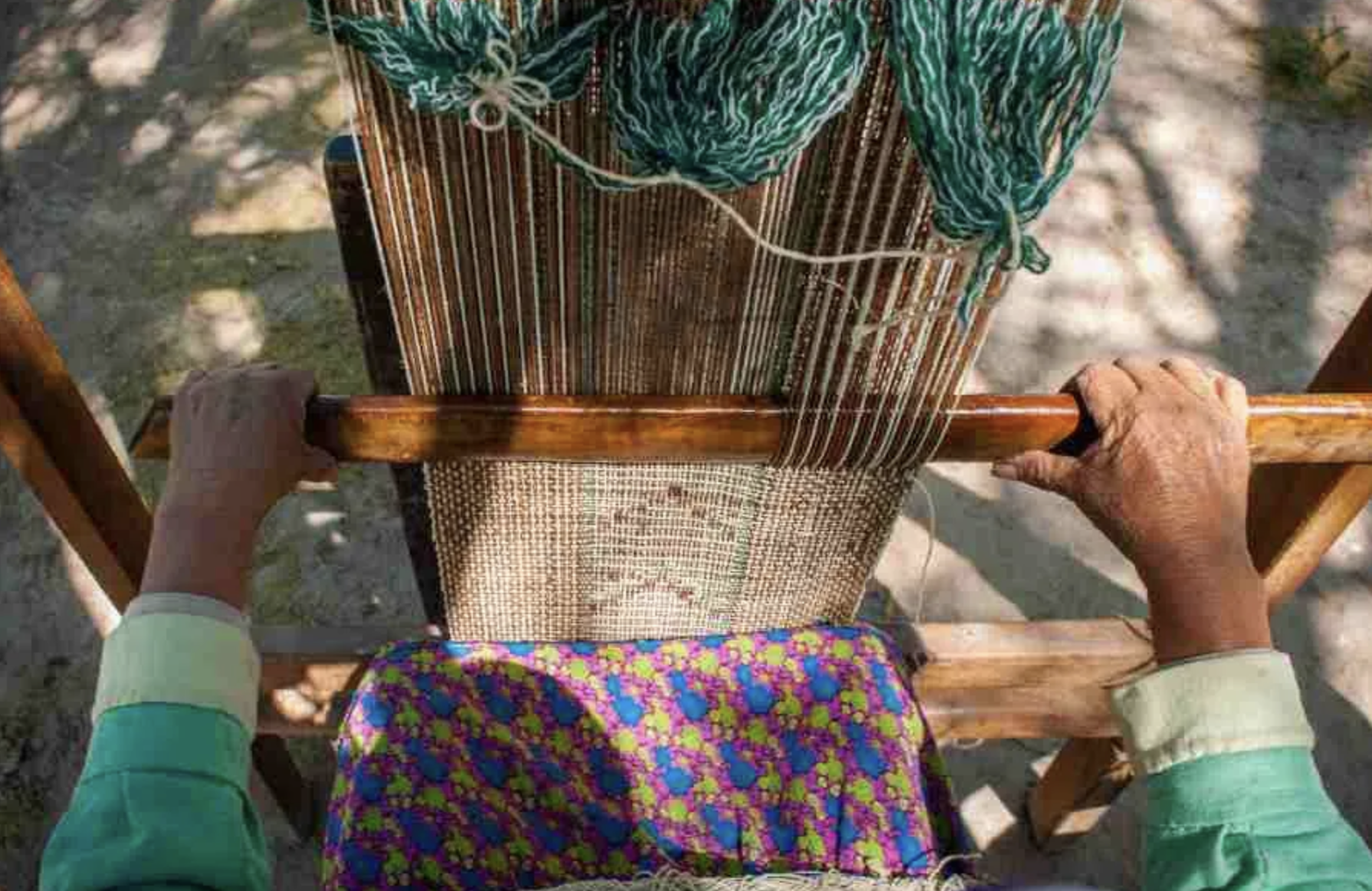
Indigenous women continue to preserve and adapt textile knowledge systems that have shaped Northwest Argentina for thousands of years.
Image source: gran-chaco.org