
Spogomi: The World's Strangest Sport Is Saving the Planet
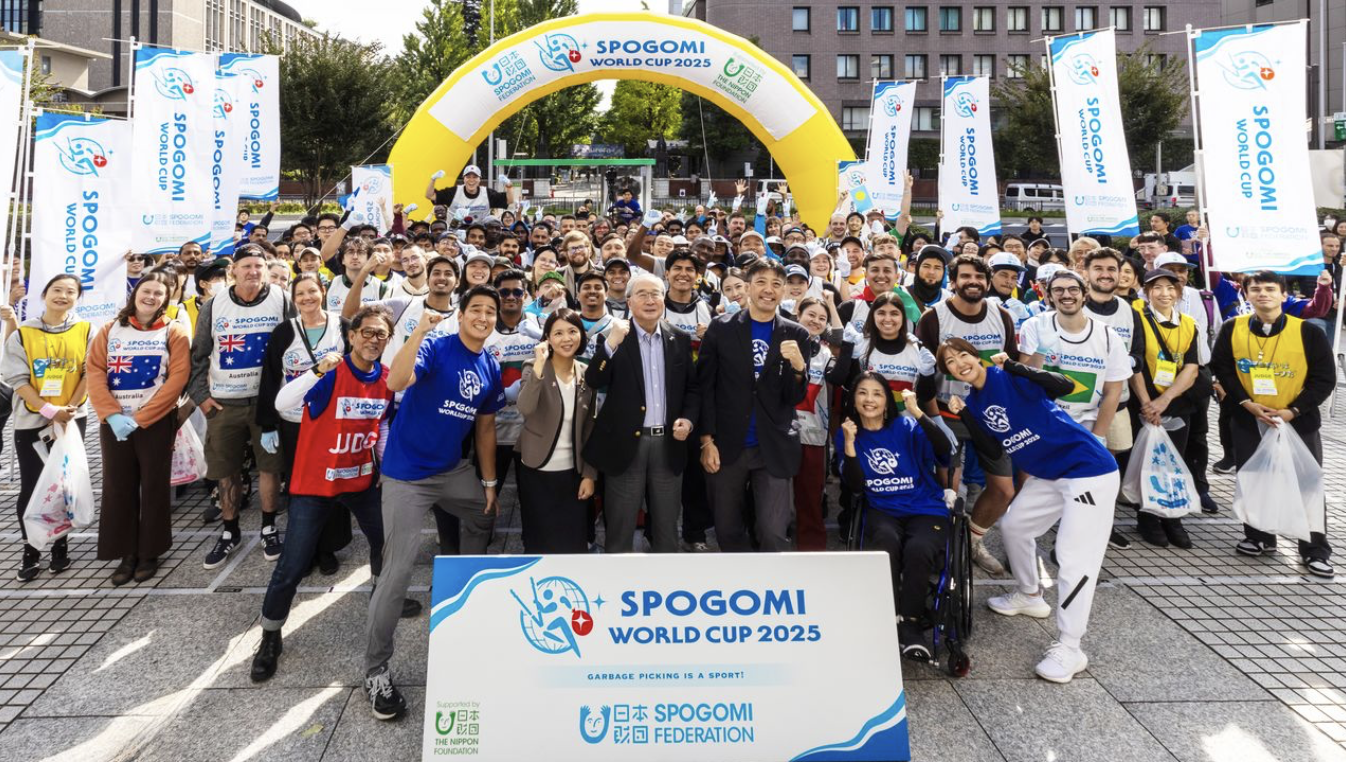
Image credit: nippon.com
There are strange sports… and then there’s Spogomi, a competitive cleanup activity that’s turning trash collection into a global movement for environmental action. Born in Japan, this unique sport is more than a curiosity, it’s inspiring people around the world to rethink how they interact with waste and public spaces.
What is Spogomi?
Spogomi combines the words “sport” and “gomi” (which means trash in Japanese). In this sport, teams of three compete to collect and sort as much trash as possible within a set time limit.
3-person teams
Collection time: ~60 minutes
Sorting time: ~20 minutes
Points are awarded based on amount and type of waste (e.g., cigarette butts and plastics often score higher)
Anyone can play, regardless of age, fitness level, or athletic background. Strategy, teamwork, and environmental awareness are what matter most.
Spogomi World Cup 2025
The Spogomi World Cup 2025 was the biggest event in the sport’s history, held in Tokyo, Japan this October. It was the second official global tournament and a major milestone for the movement.
Participants: 33 countries, 99 finalists
Location: Shibuya and Minato districts, Tokyo
Trash collected in final round: ~878.98 kg in just 90 minutes
The Japanese team “Smile Story” took home the championship, beating strong contenders like Germany and Morocco in both volume and strategic sorting.
What’s the Real Impact?
While it might sound like a gimmick, Spogomi’s real power lies beyond just the amount of garbage collected:
It changes perception: Playing Spogomi makes you see your city differently. Suddenly, what used to be invisible, cigarette butts, wrappers, cans, becomes a visible, urgent issue.
It’s global: Before the World Cup, national qualifiers took place in over 30 countries. Collectively, these events removed tons of waste from urban areas.
It builds community: Kids, students, NGO workers, and even corporate teams compete together, creating global networks of environmental action.
It transforms habits: Gamifying trash pickup helps participants develop lasting eco-conscious behavior. Many players say they can no longer walk past litter without picking it up.
More Than a Game: A Movement
Spogomi is expanding rapidly across the globe:
It’s being introduced in schools, community centers, and public events.
Cities like Santa Monica (USA) and Sydney (Australia) have hosted official matches.
Media coverage and first-hand stories from players keep inspiring new participants to take part in local cleanups.
Spogomi proves that even the simplest actions can spark powerful social change. When you combine play, purpose, and community, you're not just cleaning streets, you’re reshaping culture and fueling a global movement for a cleaner, more conscious planet.
This ethos mirrors what's happening in fashion today: a shift toward circular design, mindful consumption, and creative activism. Just like in Spogomi, where teamwork transforms waste into purpose, fashion is learning to turn excess into expression, rethinking waste not as an end, but as a beginning.
Both movements remind us: sustainability isn't a sacrifice, it's a strategy. Whether you're picking up trash or reimagining your wardrobe, small actions can inspire big change when driven by intention and collective vision.
