
From Closet to Community: How Smart Fashion’s Clothing Drives Turn Secondhand Into Direct Impact
At a time when fashion’s waste crisis feels overwhelming with billions of garments produced annually and mountains of clothing sent to landfills, sustainability can start to feel abstract. Circularity. Supply chains. Carbon targets.
But sometimes, it looks like something much smaller: a coat folded neatly into a labeled box. A pair of school pants sorted by size. A delivery made by someone who knows your name.
Since launching in 2022, Smart Fashion has paired education about fashion waste with something more tangible: year-round clothing drives that move gently used, high-quality garments directly to Hispanic families in New York City, Argentina, and Colombia.
The model is intentionally small, relational, and trust-based. And that’s the point.
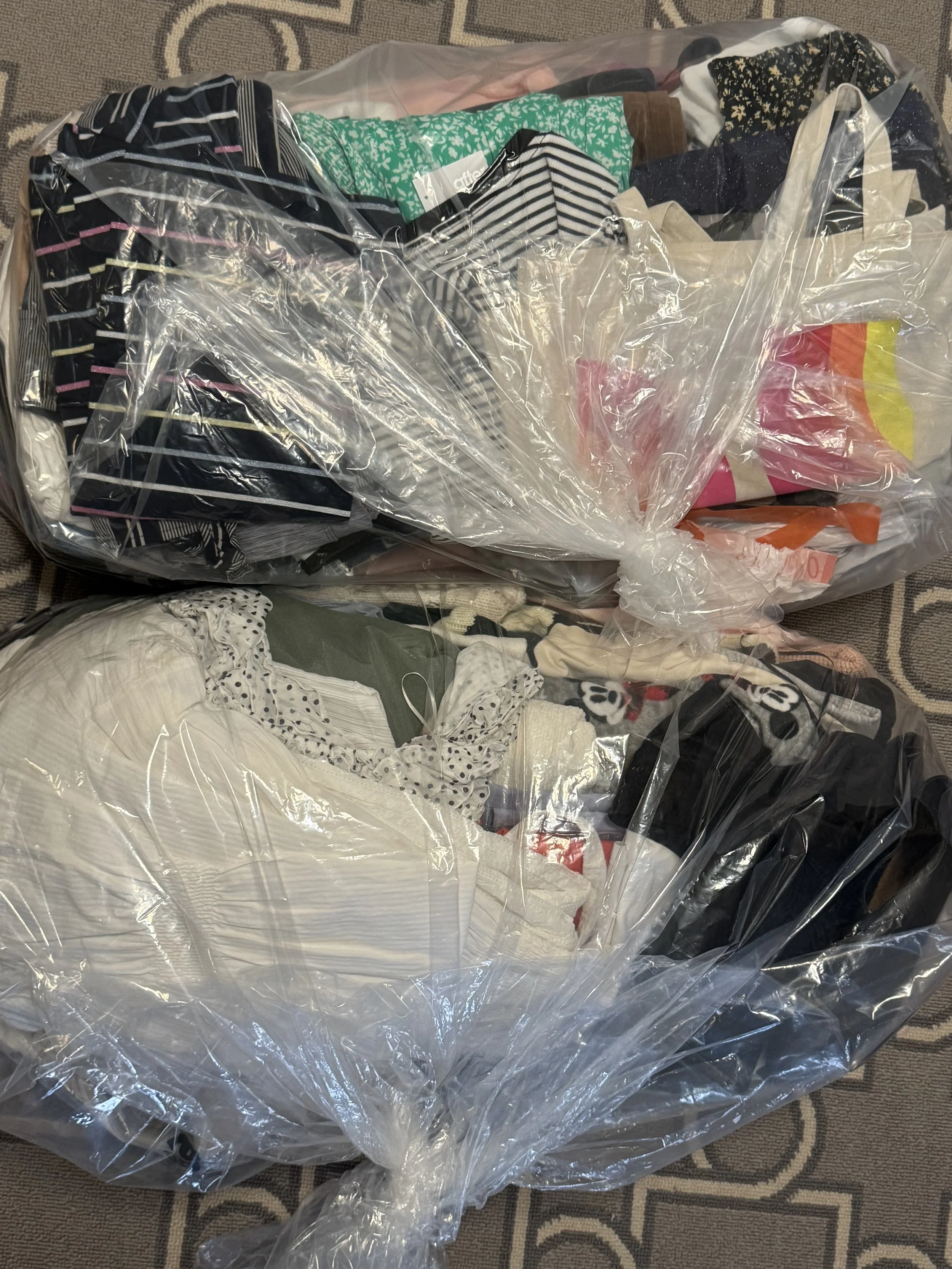
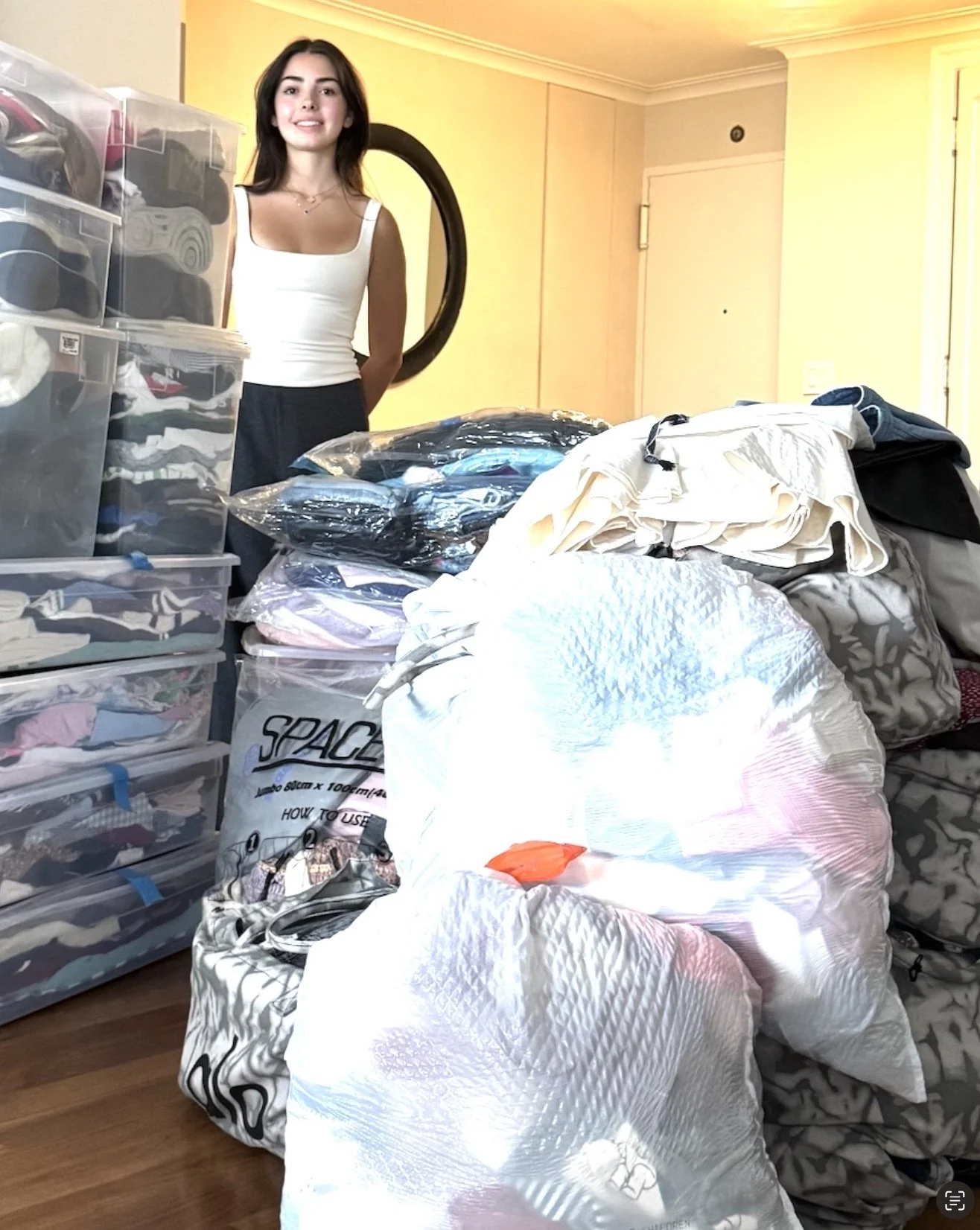
Why Keep It Personal?
Unlike large public donation systems, Smart Fashion’s drives begin within close circles: friends, relatives, extended family members who understand the standards.
Only gently used, high-quality pieces are accepted. No stains. No excessive wear. No “maybe someone can fix this.”
The philosophy is simple: dignity matters in donation.
In a fashion system built on overproduction, extending the life of garments isn’t just environmentally responsible, it’s community care. Keeping quality clothing in circulation through direct giving prevents waste while ensuring that recipients receive items they can wear confidently.
For the founder, whose South American roots connect her personally to the communities served, the work isn’t abstract philanthropy. It’s familial. It’s cultural. It’s reciprocal.
What Circular Fashion Looks Like on the Ground
The process is hands-on and deeply intentional.
1. Collection: Trust as Quality Control
The drives begin with outreach to a trusted network. Because donors know the standards, items typically arrive already aligned with the mission.
That trust reduces the need for heavy sorting and repair and shifts the focus toward impact rather than cleanup.
2. Sorting: Care in Every Detail
Volunteers, often friends and family, gather for sorting sessions. Clothes are organized by:
Age group (children, teens, adults)
Gender and style
Season
Condition (with a final quality check)
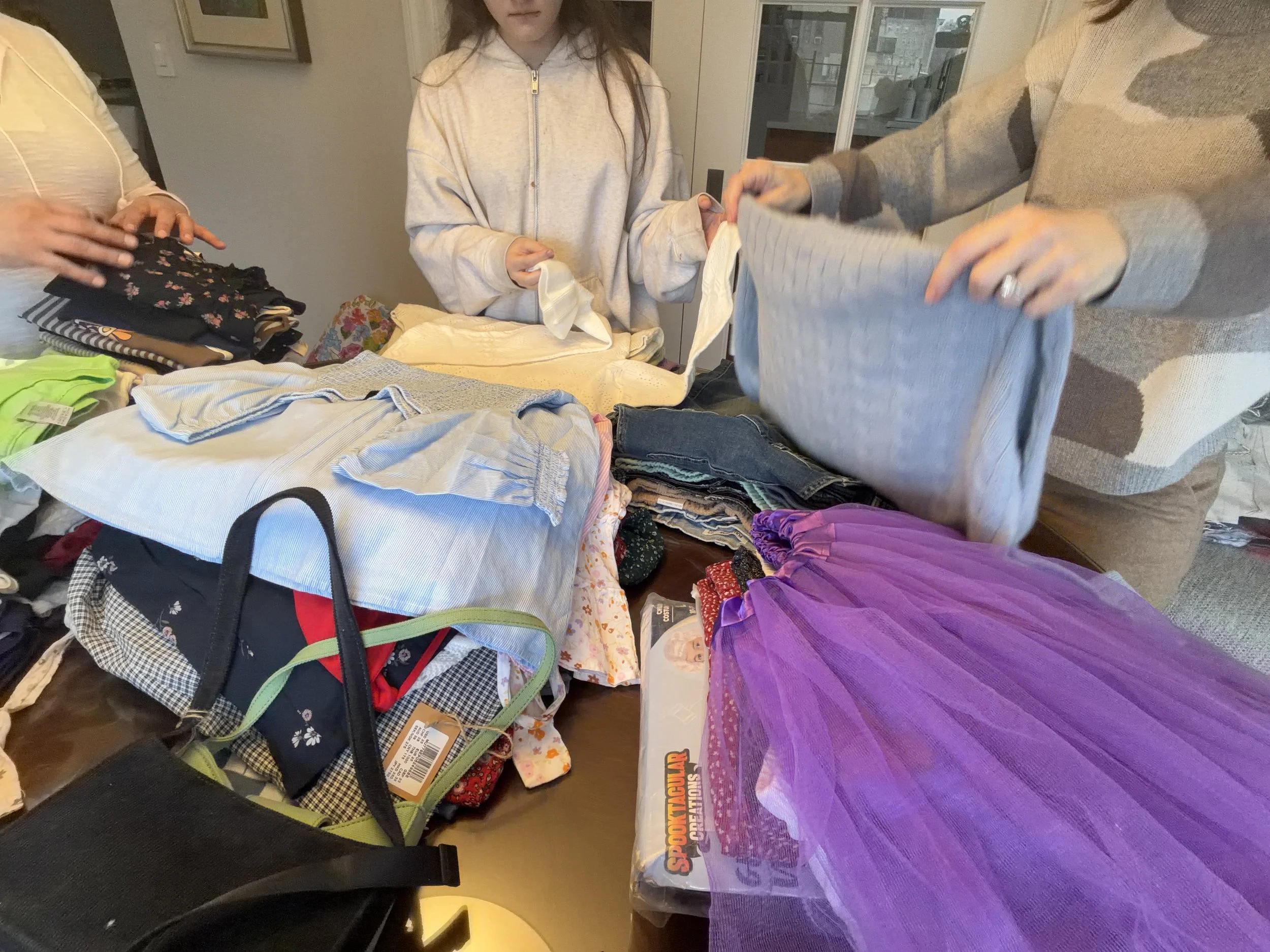
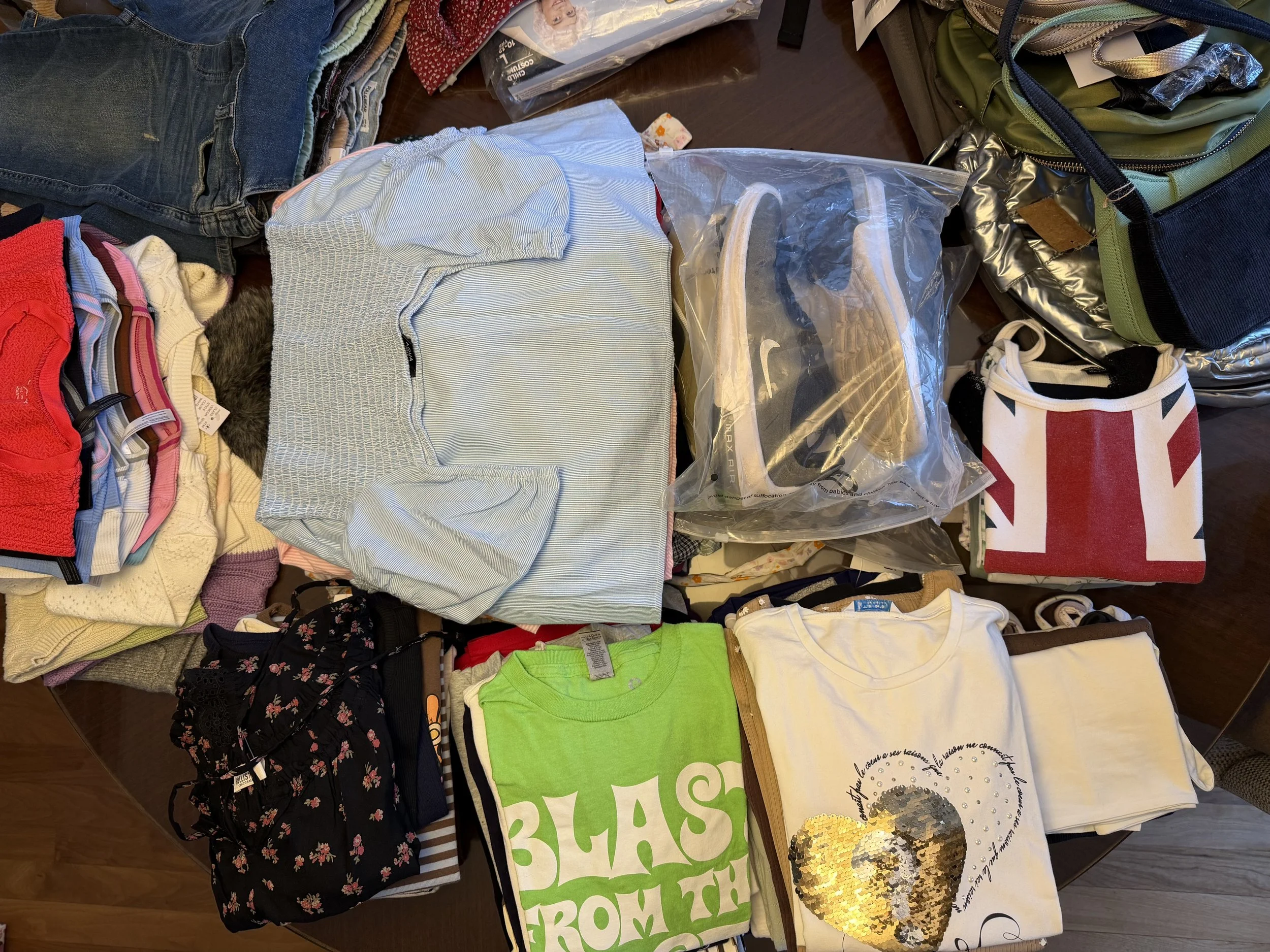
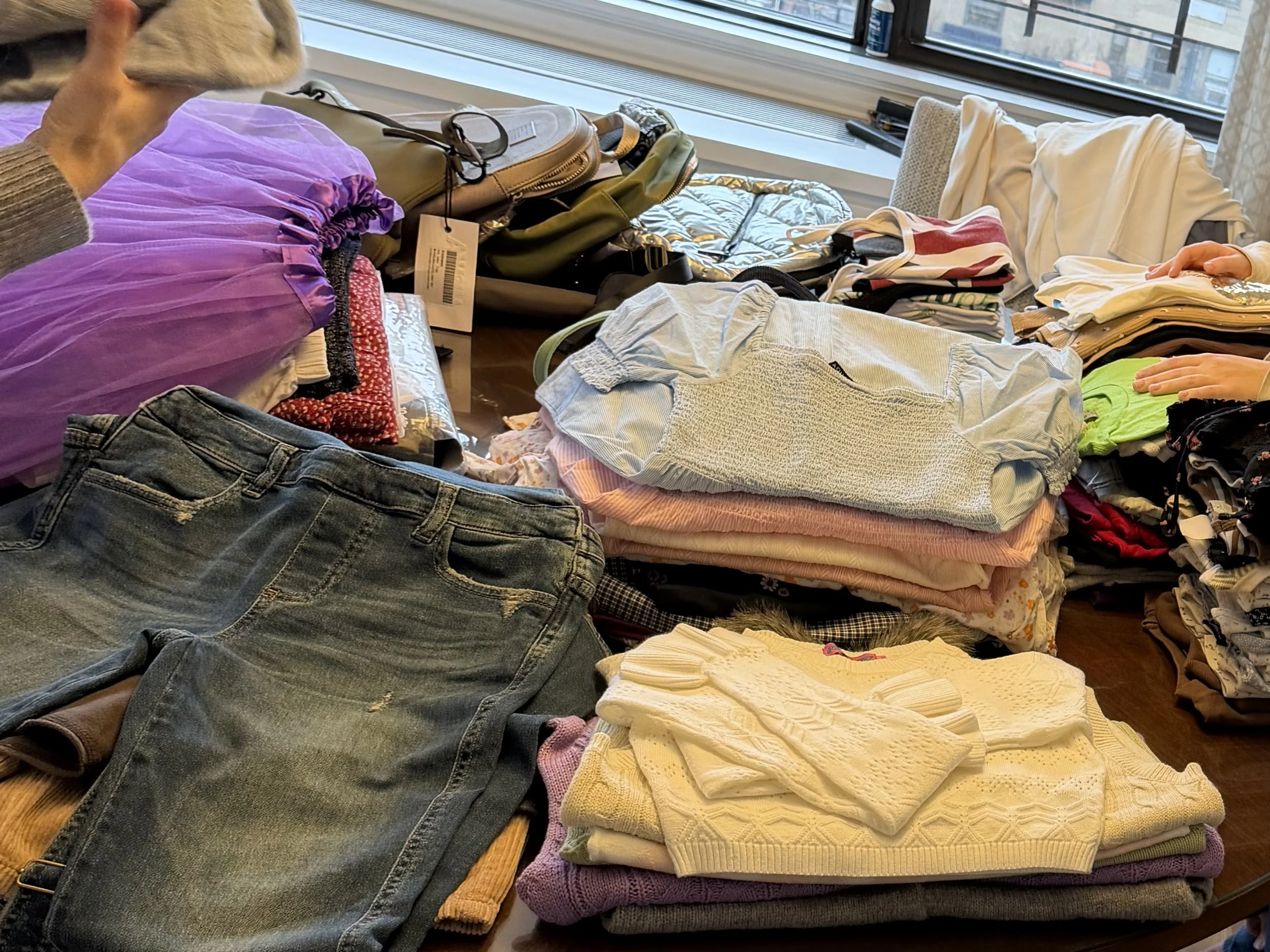
Pieces are refreshed if needed, folded neatly, and packed into labeled boxes by size and category.
The goal is not to distribute “leftovers,” but to offer something that feels curated and intentional. The difference matters.
3. Delivery: Direct and Relationship-Based
Distribution happens through trusted community ties.
In New York City, that often means hand-delivering boxes to Hispanic families we personally confirm need support, families we know will put each item to meaningful use. Rather than distributing items broadly, we match donations intentionally. Children’s clothes go to families with kids of those specific ages, and winter coats are delivered to households preparing for colder months.
In Argentina and Colombia, shipments are coordinated through relatives and trusted community connections who ensure items reach specific households with identified needs. The process is relational and precise, built on trust, not volume.
Some donations in New York are also distributed in partnership with San Jeronimo HANDS, a Bronx-based nonprofit supporting immigrant and low-income families through food access, educational programming, and community resources. HANDS focuses on strengthening families from within, offering after-school programs, mentorship, and support systems that promote long-term stability rather than short-term relief.
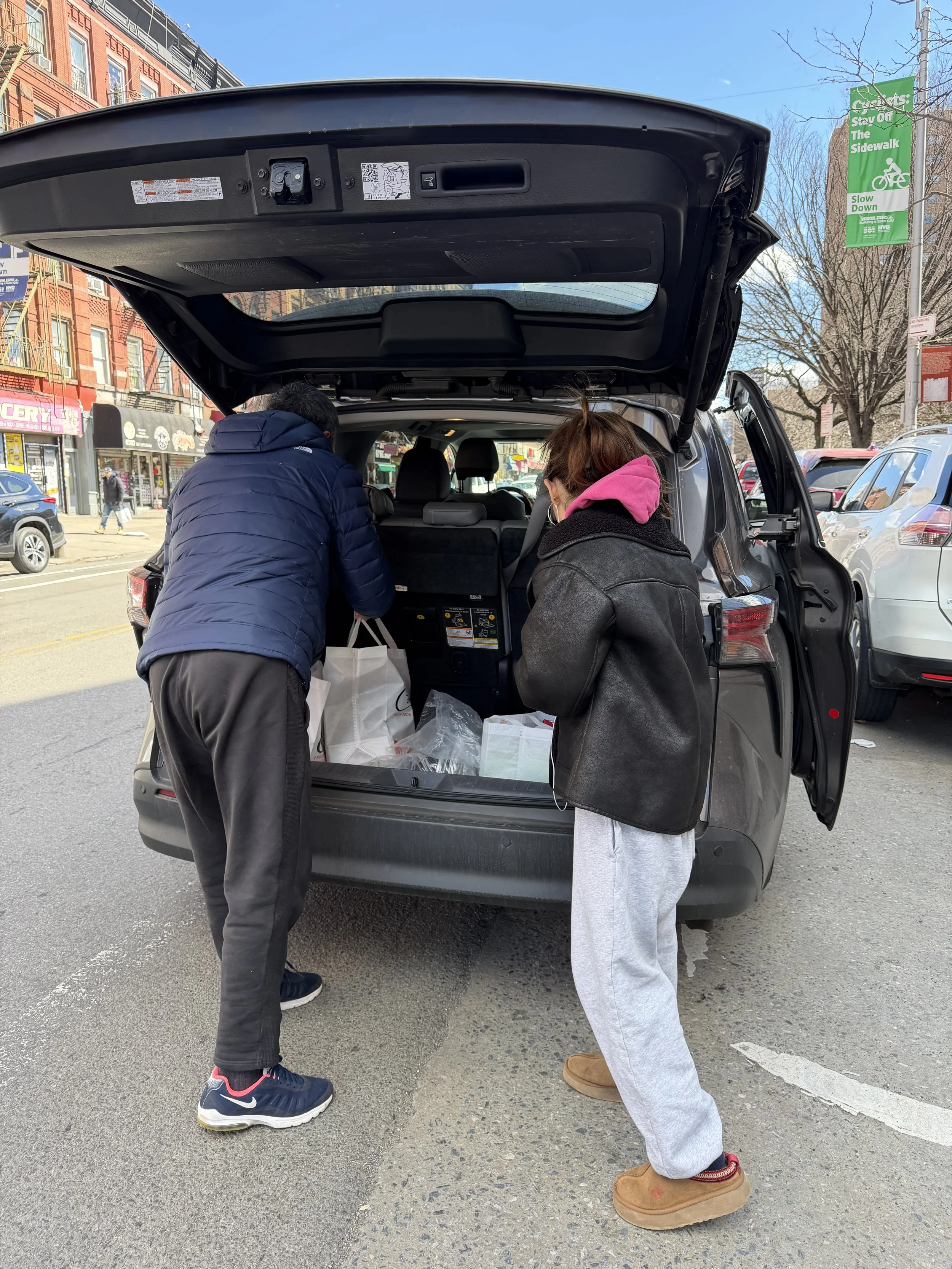
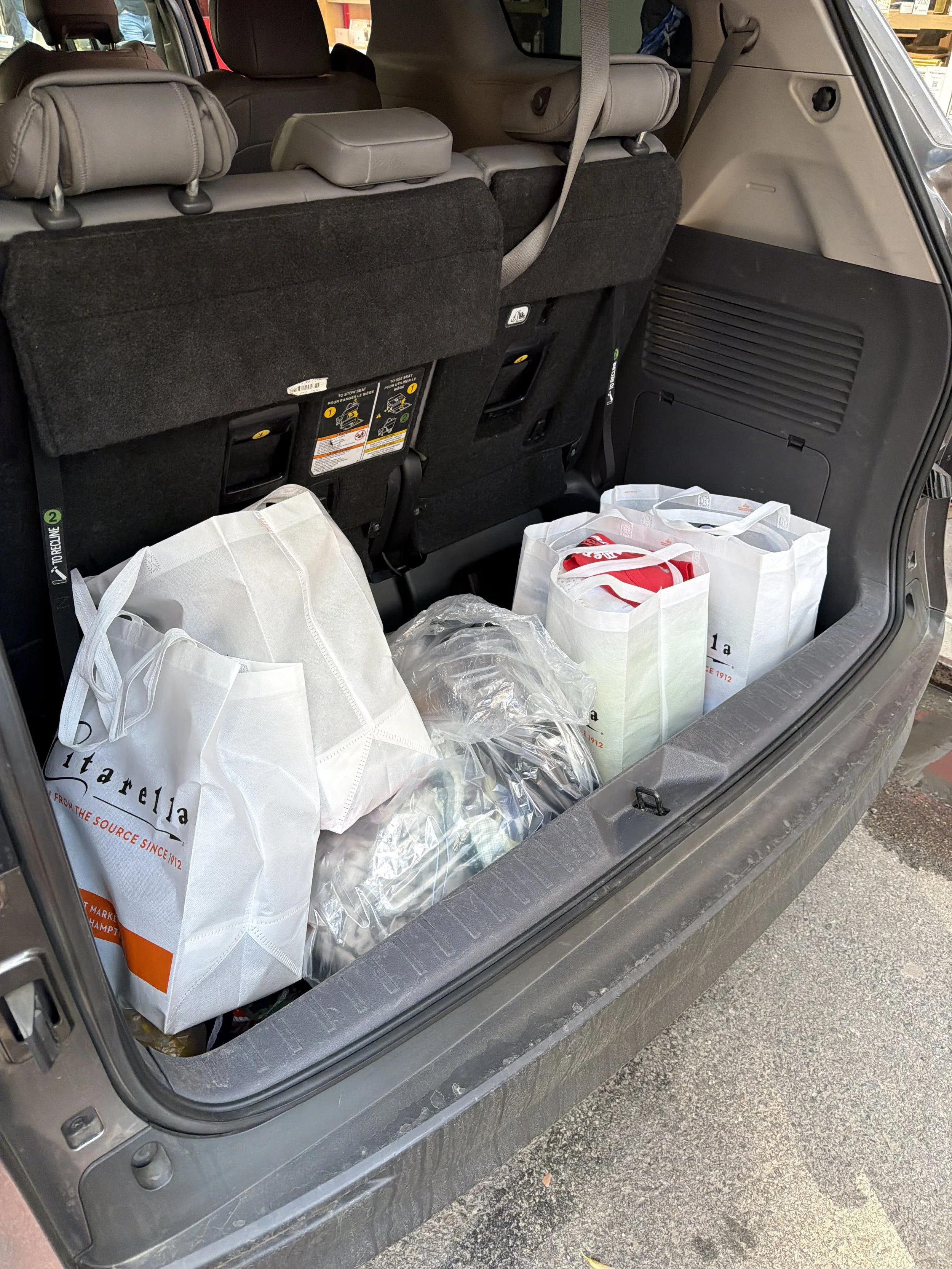
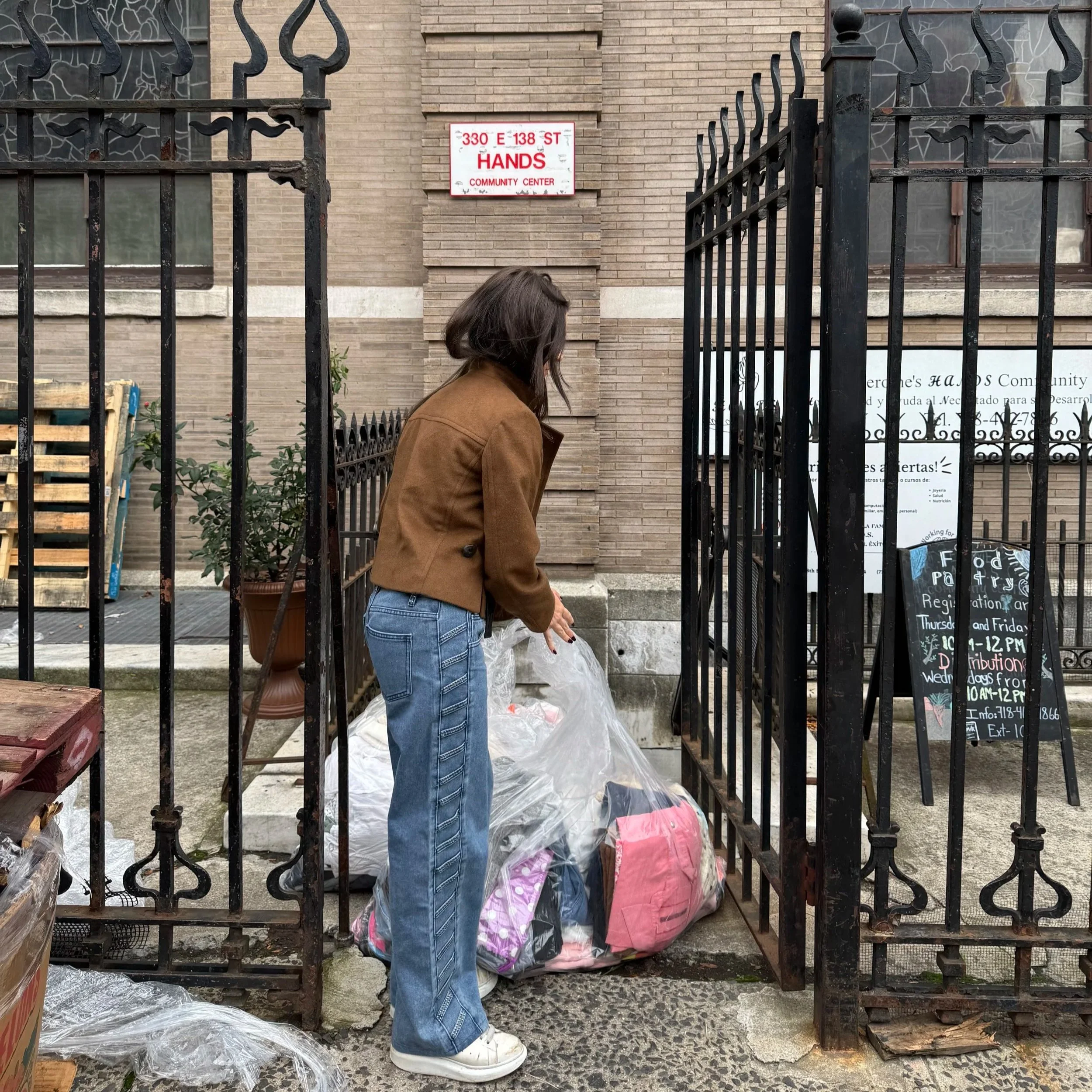
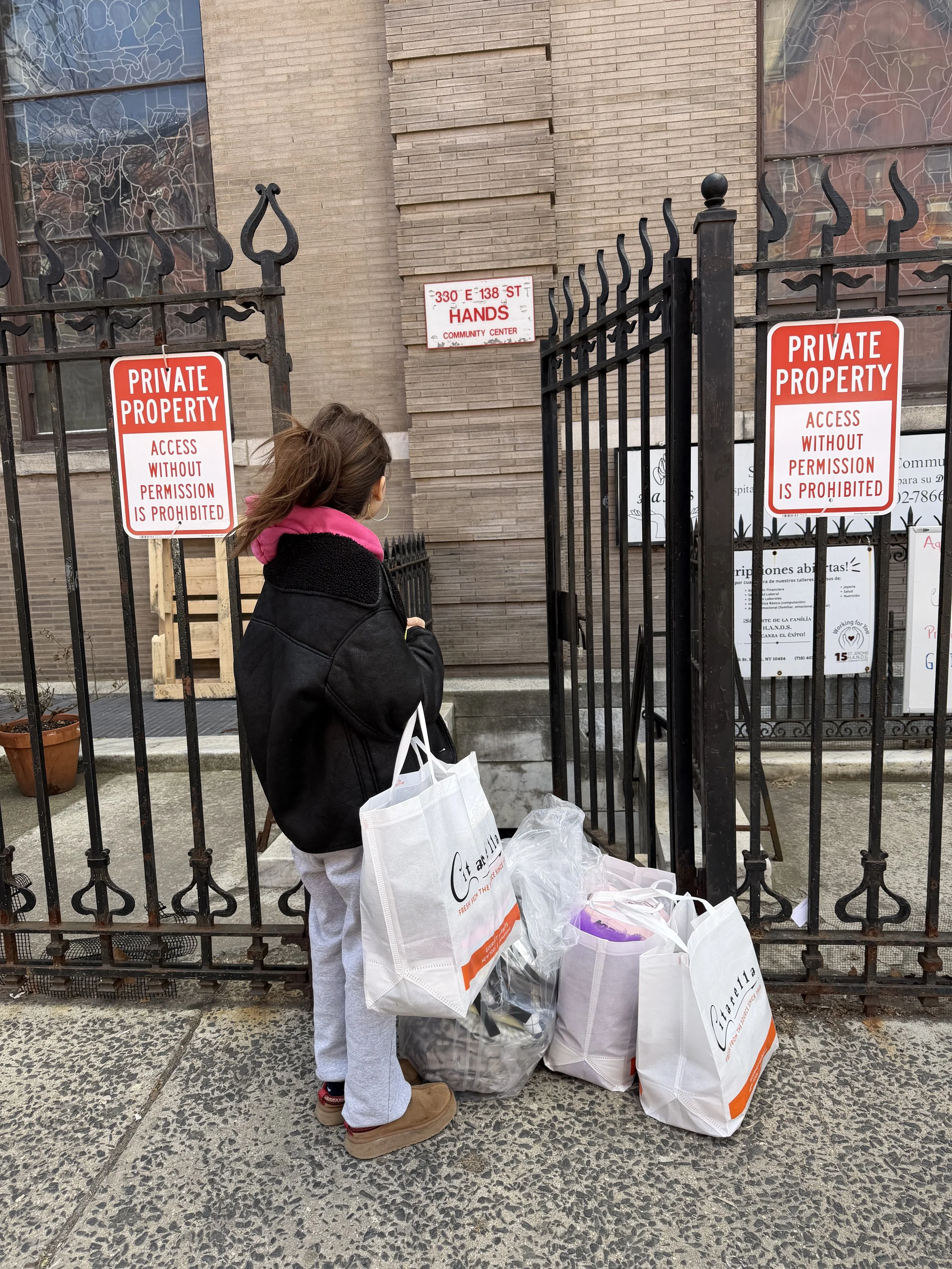
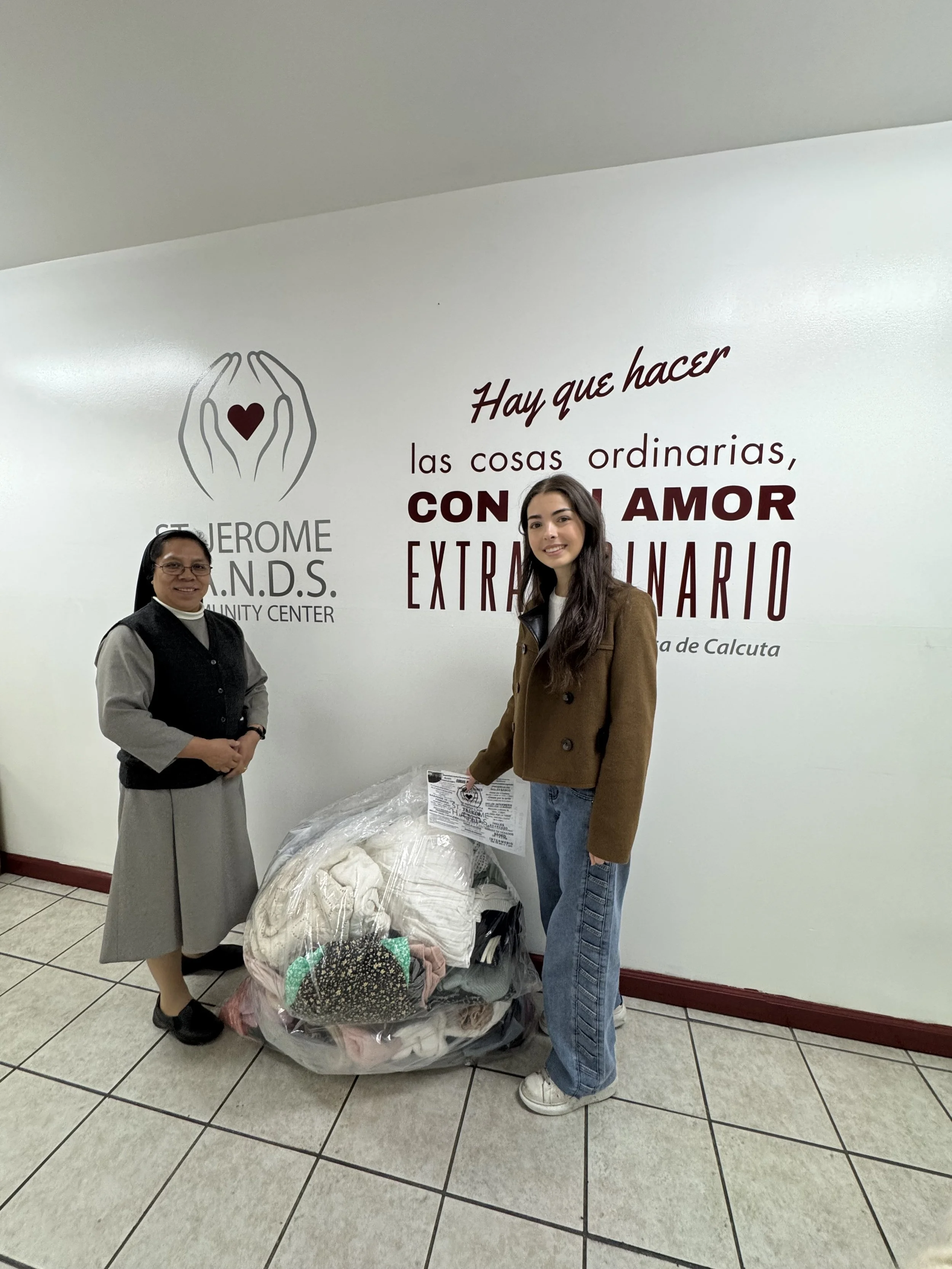
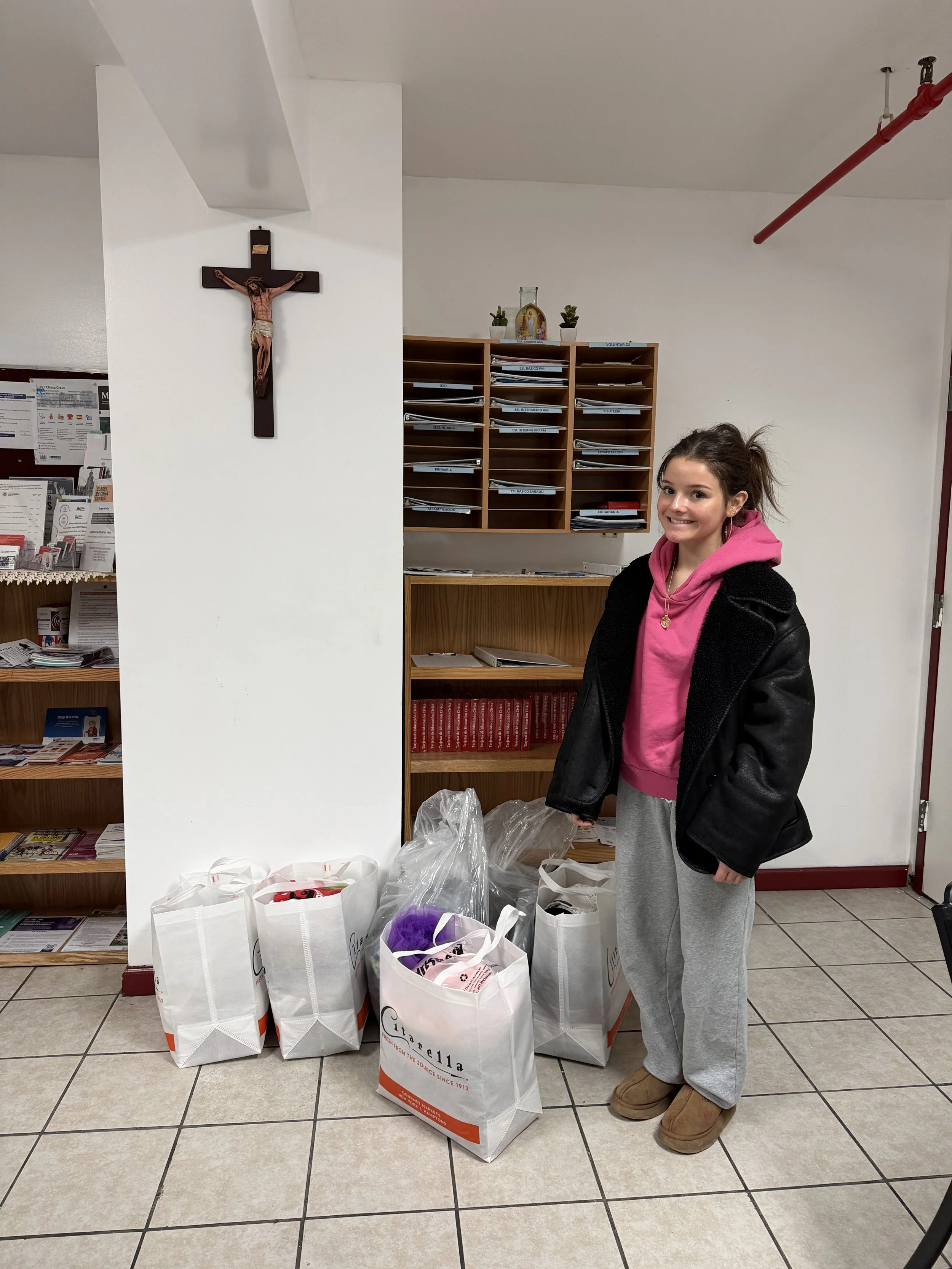
Smart Fashion chose to collaborate with HANDS because of their deeply rooted, neighborhood-level approach. The organization centers Hispanic and immigrant families in ways that are culturally responsive and relationship-driven, values that mirror Smart Fashion’s own model. Partnering with a group already embedded in the community ensures donations don’t just arrive, but land with intention.
In a system where large-scale donation channels can feel impersonal, working with a local organization like HANDS reinforces the goal: keeping redistribution relational, respectful, and community-led.
Sometimes, deliveries also include school supplies funded by Smart Fashion’s online secondhand shop, reinforcing the loop between resale and redistribution.
The intimacy of the process allows for follow-ups, conversations, and sustained relationships. It’s not charity at arm’s length. It’s community in motion.
Beyond the Numbers
To date, the drives have:
Diverted over 2,100 pounds of clothing from landfills
Outfitted more than 100 children, along with many adults, with high-quality garments
Supported Hispanic families in New York City, Argentina, and Colombia
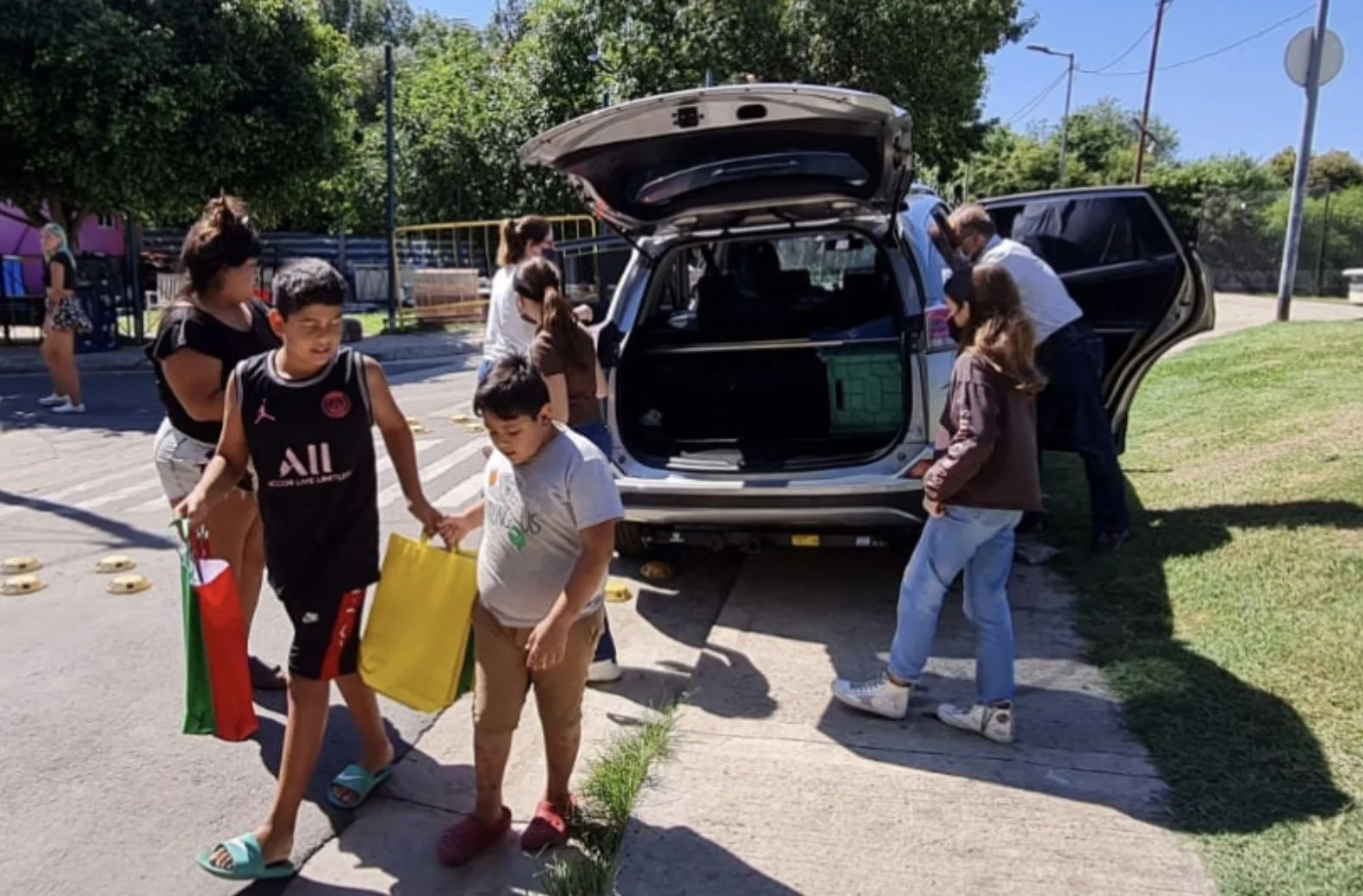
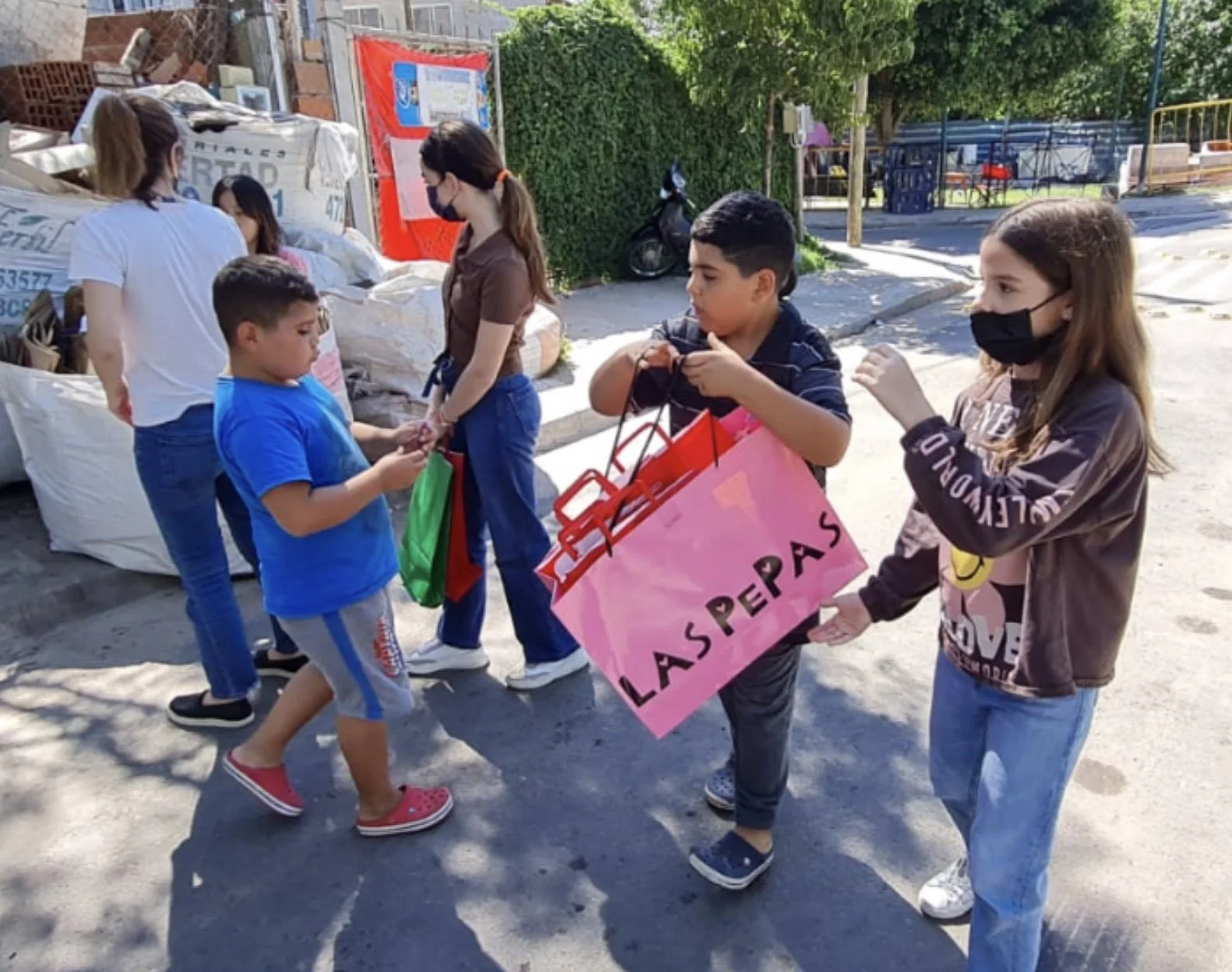
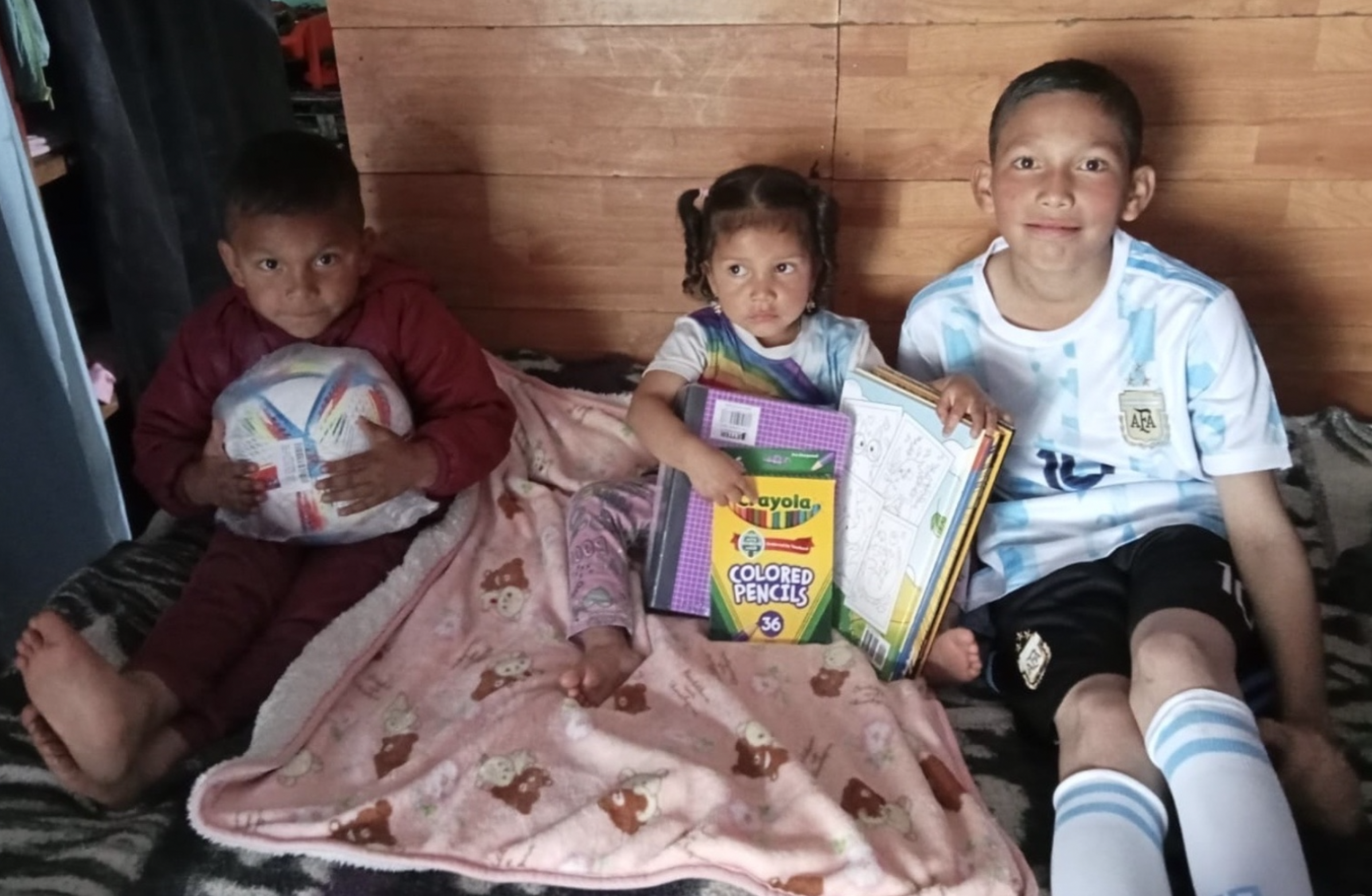
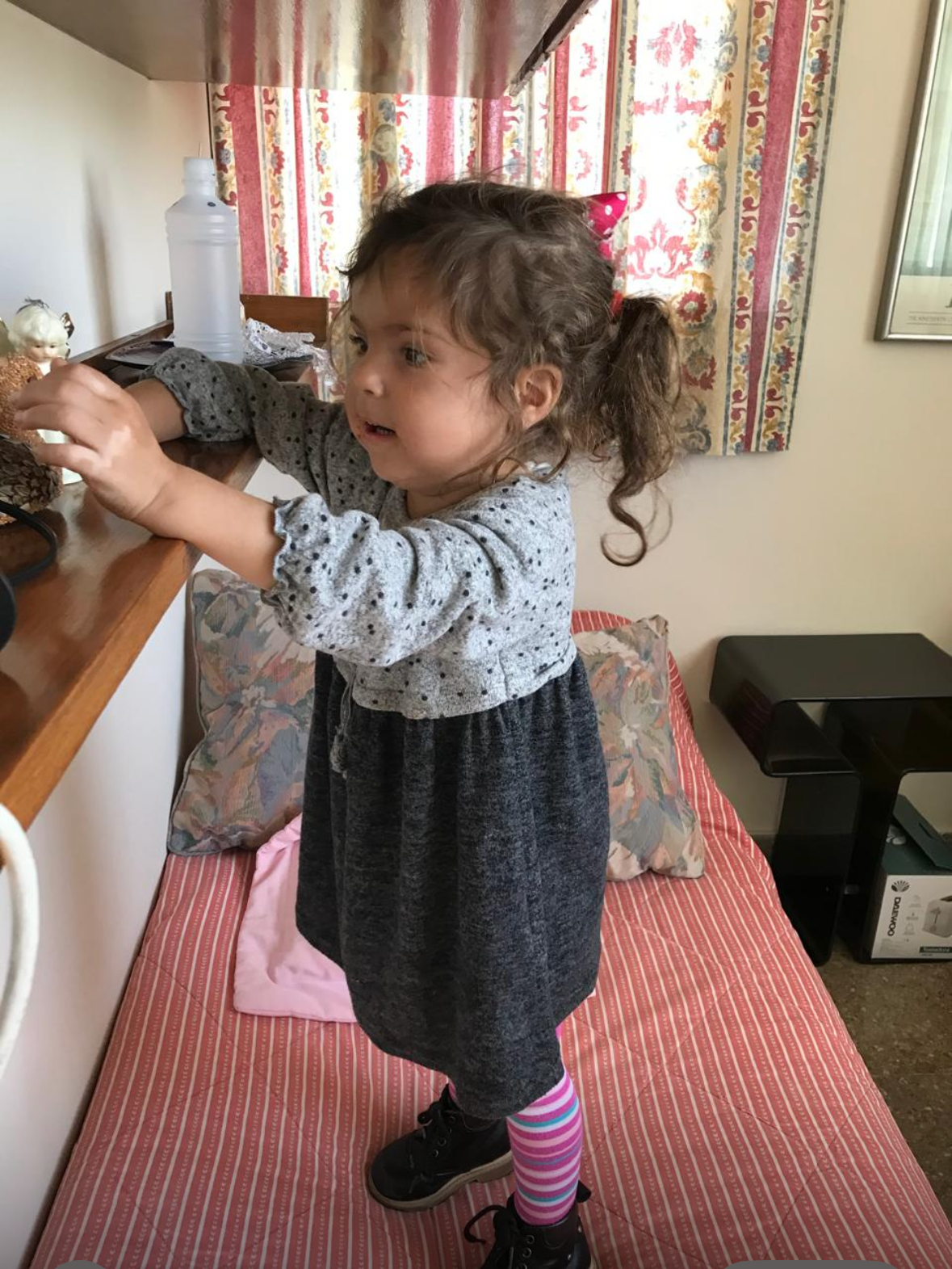
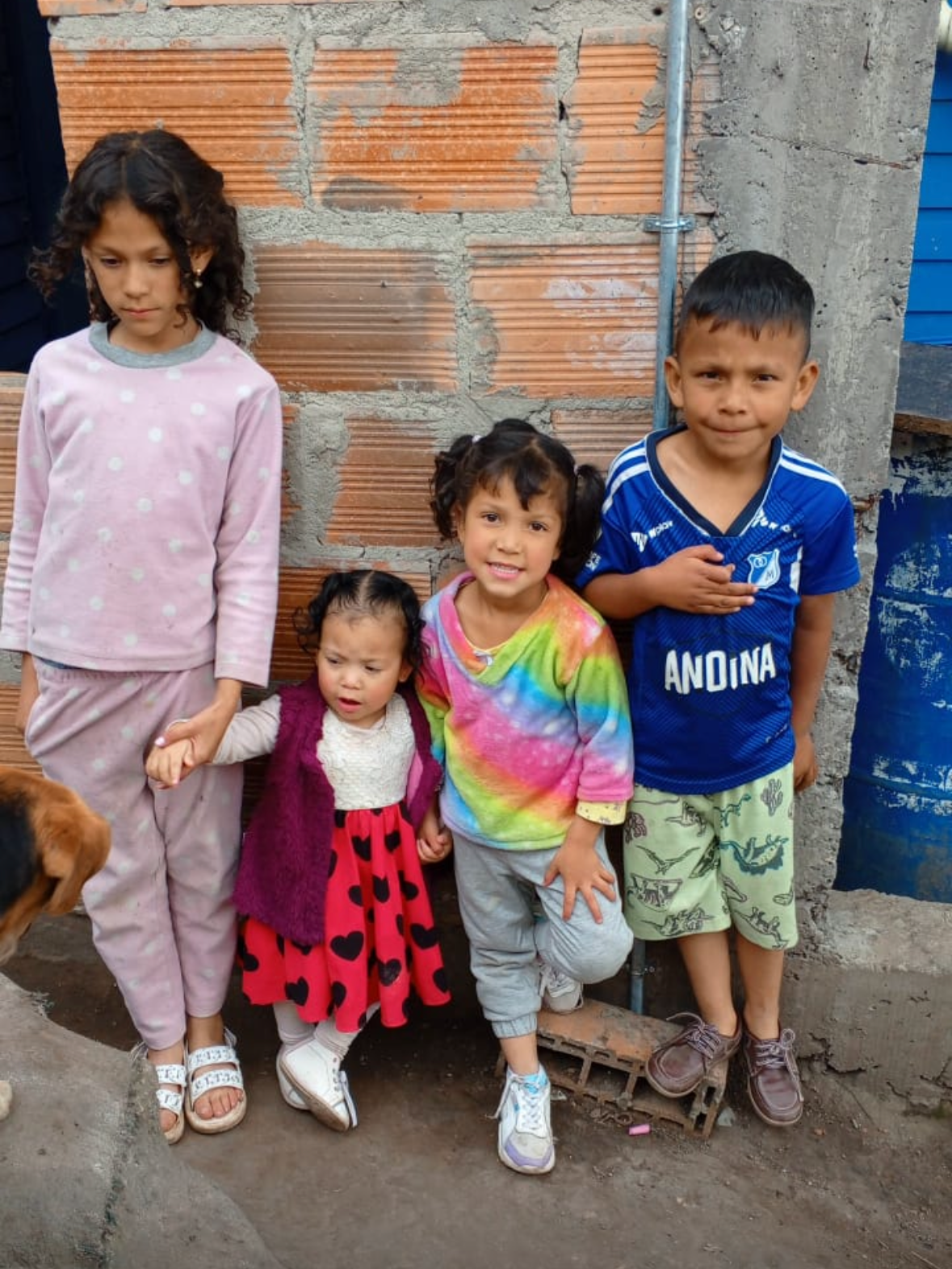
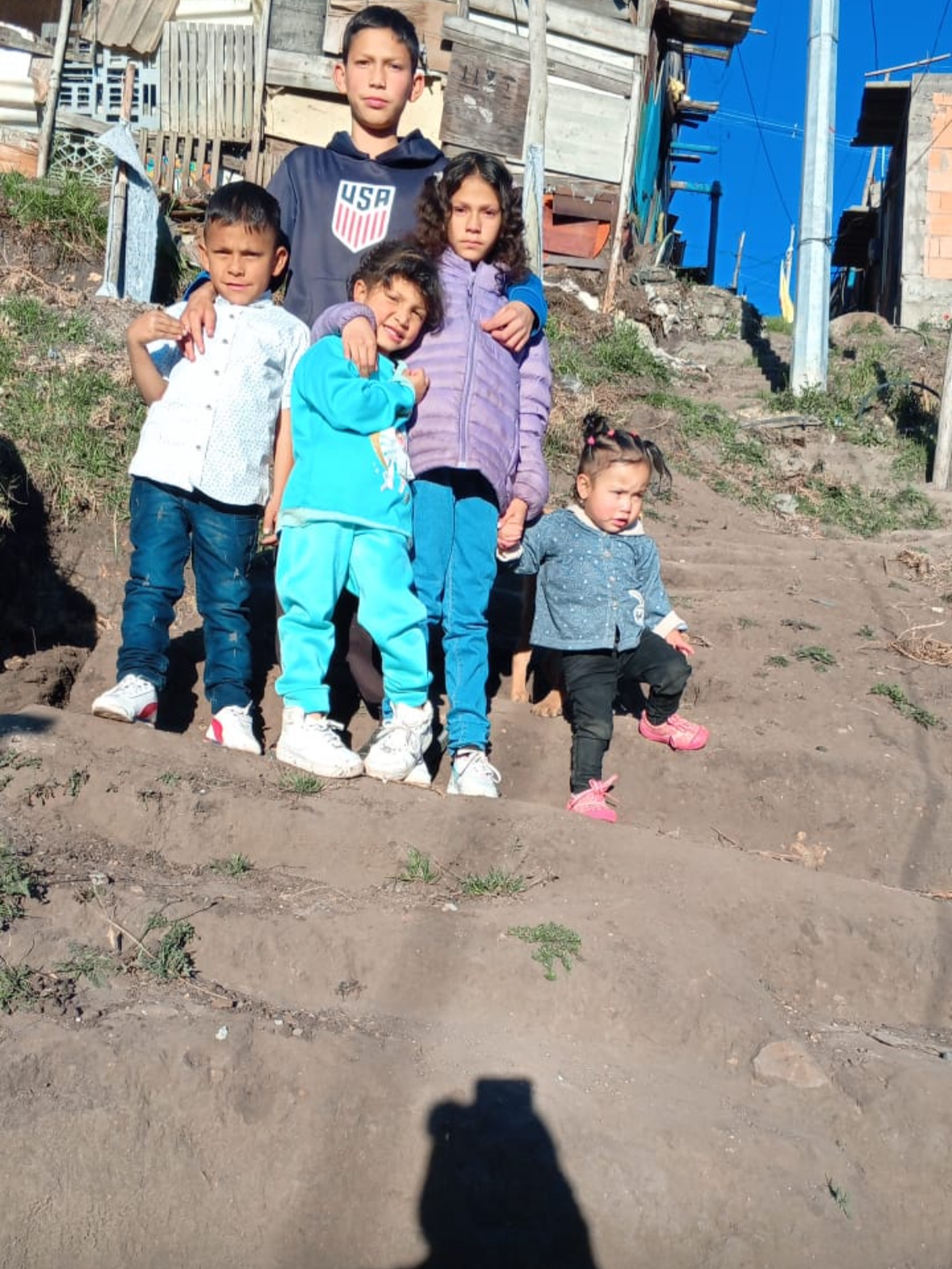
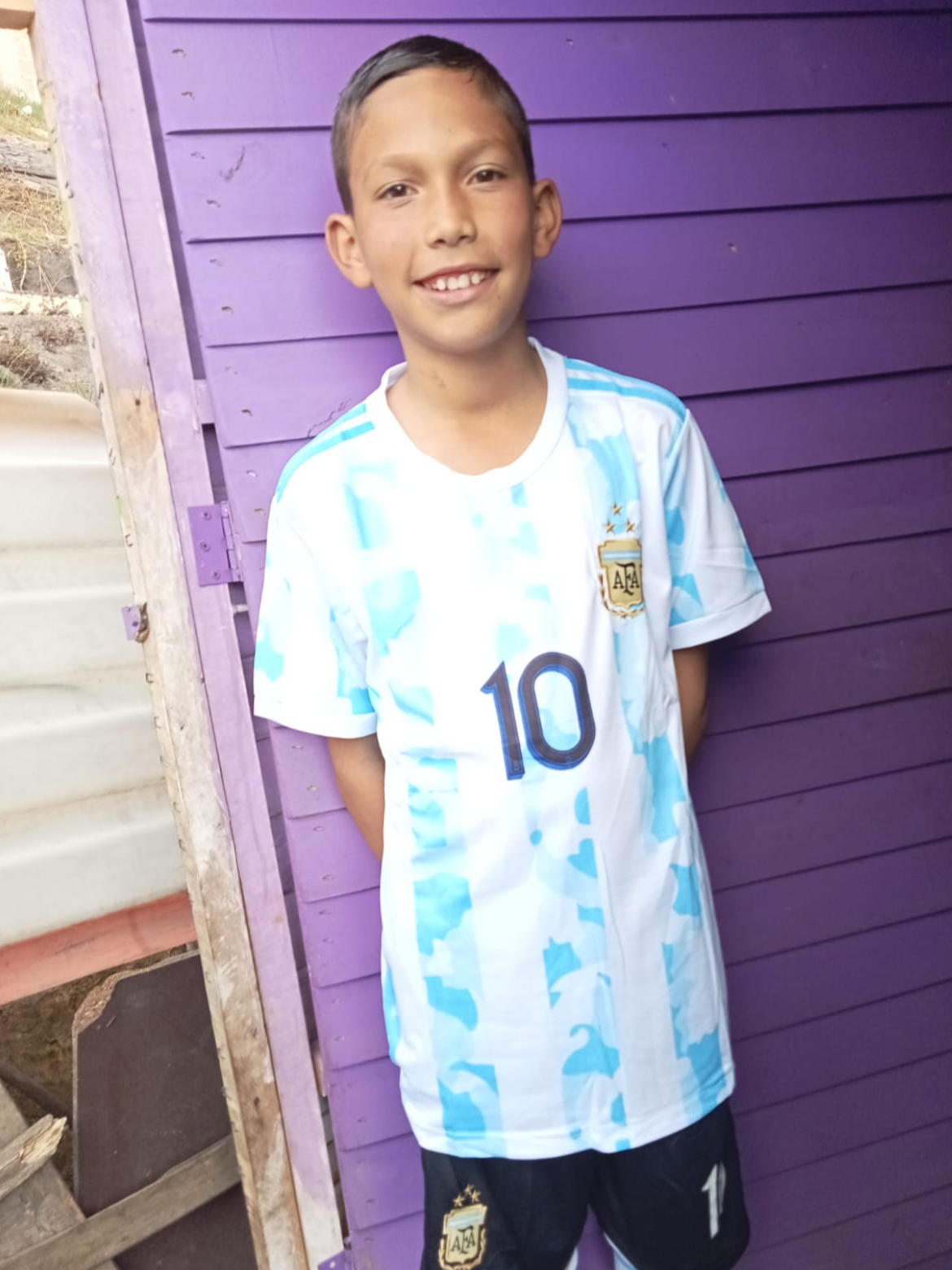
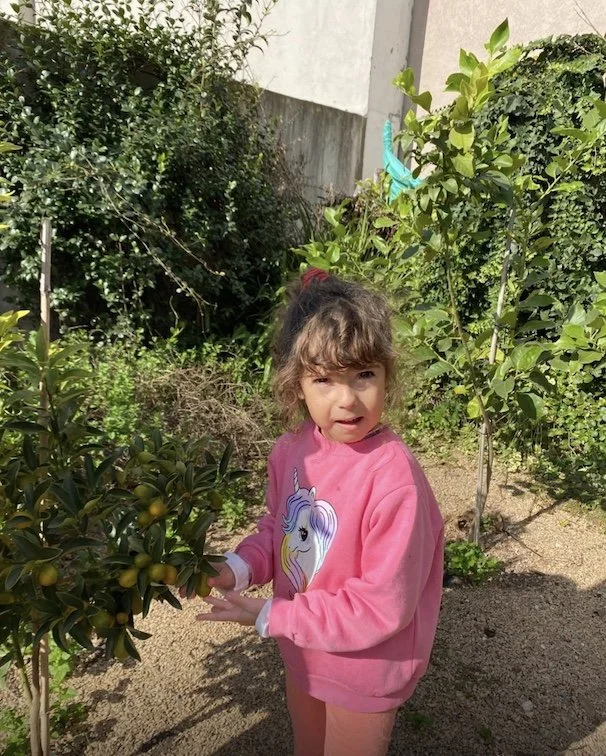
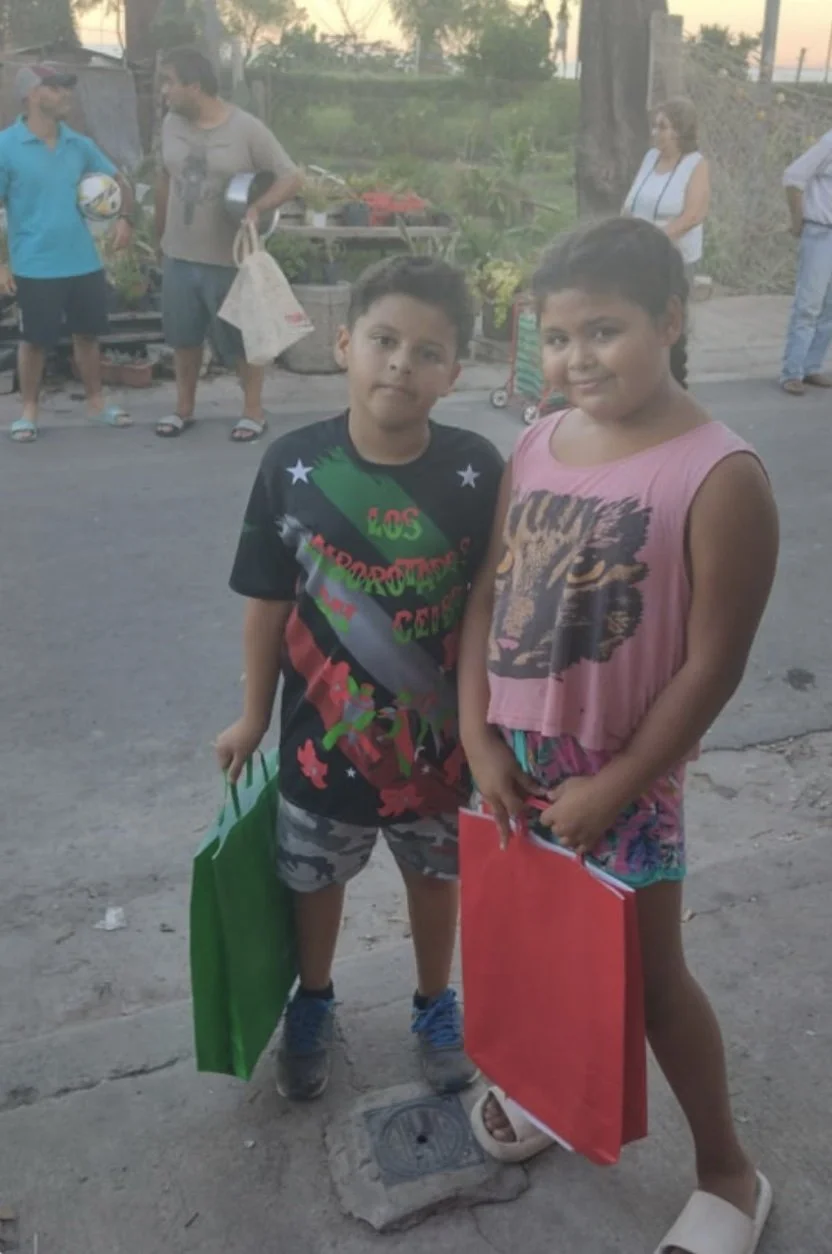
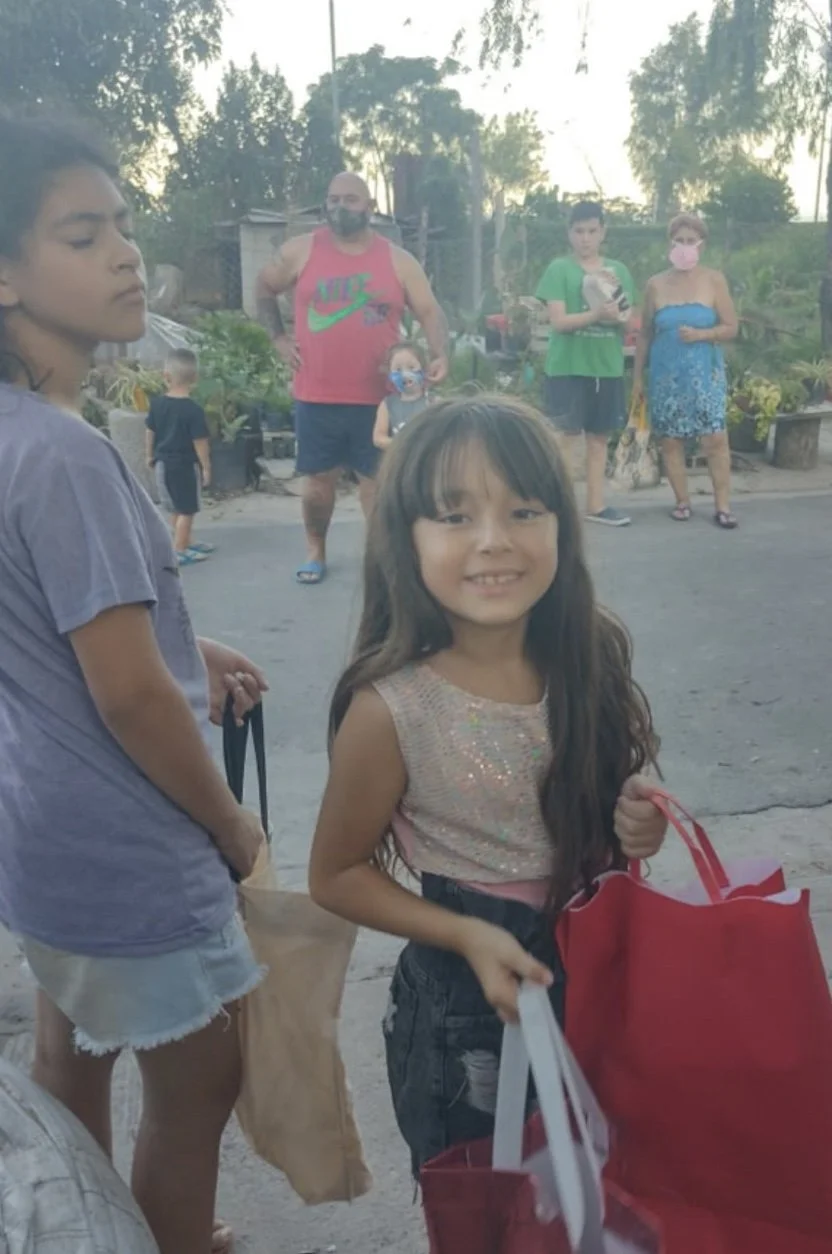
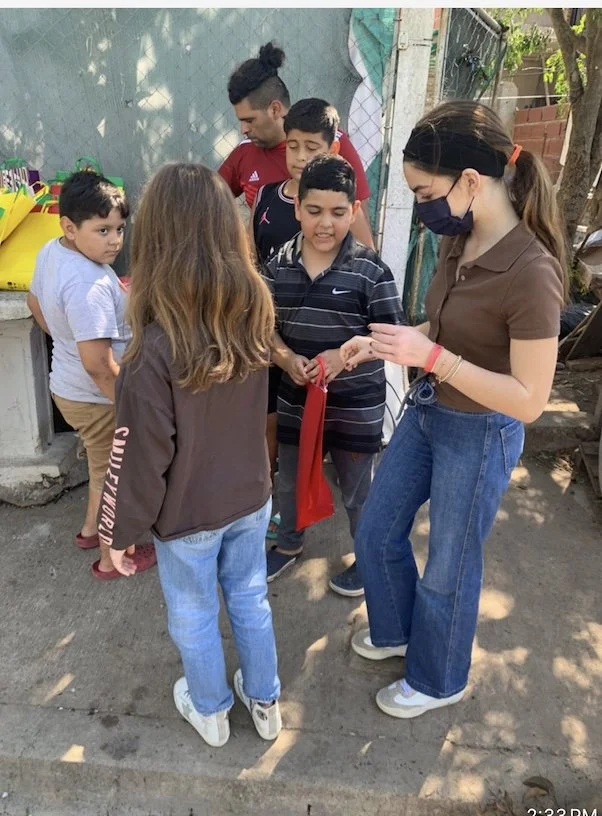
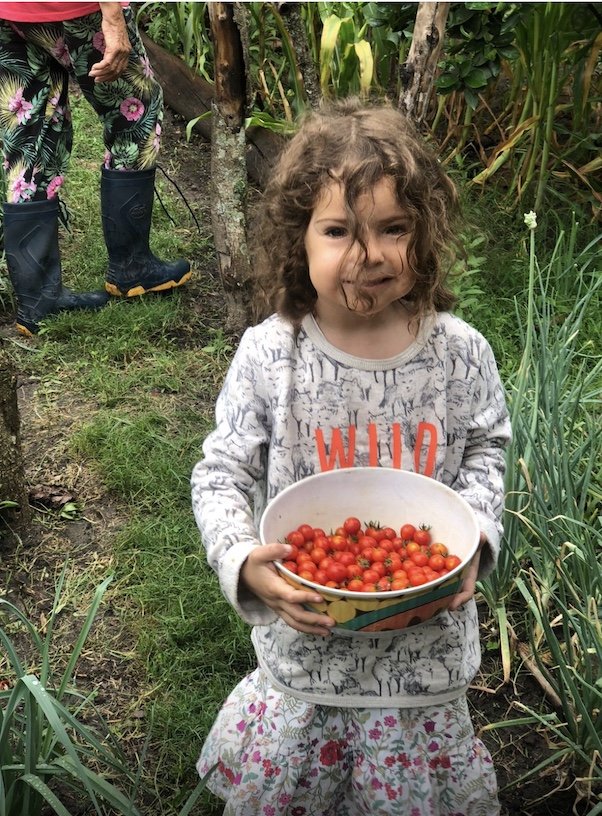
But impact isn’t measured only in pounds or counts. It shows up in a child starting school feeling prepared. In a parent receiving a winter coat that fits. In the quiet confidence that comes from wearing something that feels new, even if it isn’t.
In a fashion culture obsessed with “newness,” secondhand redistribution reframes value. What if sustainability wasn’t about sacrifice, but about circulation? What if what we already own holds more potential than we think?
Small Systems, Big Ripples
Large-scale industry reform is necessary. Policy matters. Corporate accountability matters.
But localized, trust-based redistribution systems remind us that solutions can also be relational. Circular fashion doesn’t only happen in supply chains, it can happen in living rooms, sorting tables, and neighborhood deliveries.
Smart Fashion’s clothing drives operate on a simple premise: quality over quantity, dignity over disposal, connection over convenience.
And the invitation is open.
Donate thoughtfully. Shop secondhand with intention. Share resources within your own networks.
Because sometimes sustainability isn’t about buying less; it’s about moving what we already have into the hands that need it most.
What’s in your closet that could keep the cycle going?